
Anti-Inflammatory Foods: Your Complete Shopping List
In a world where we are constantly bombarded with health information, the term “inflammation” has become a buzzword. But what does it really mean for your health? While acute inflammation is a vital part of your body’s healing process, chronic inflammation can be a silent enemy, contributing to a host of health issues. The exciting news is that you hold a powerful tool to combat this foe: your fork. By making conscious choices about the foods you eat, you can actively reduce inflammation and pave the way for a healthier, more vibrant life. This article will serve as your comprehensive guide, providing you with a detailed shopping list of anti-inflammatory foods and practical tips to incorporate them into your daily routine.
The Double-Edged Sword of Inflammation
Inflammation is your body’s natural defense mechanism. When you get a cut, your immune system sends out an army of white blood cells to the site of the injury, resulting in the familiar signs of redness, swelling, and pain. This is acute inflammation, and it’s a good thing. It means your body is working to repair itself. However, when the inflammatory response doesn’t shut off, it can lead to chronic inflammation. This low-grade, systemic inflammation can persist for months or even years, silently wreaking havoc on your body. It’s been linked to a wide range of chronic diseases, including heart disease, type 2 diabetes, autoimmune disorders, and even certain types of cancer.
Your Ultimate Anti-Inflammatory Shopping List
Ready to stock your kitchen with inflammation-fighting foods? Here’s a detailed shopping list, categorized for your convenience.
The Rainbow of Fruits
Fruits are nature’s candy, and they are also packed with an array of vitamins, minerals, and antioxidants that are essential for combating inflammation.
- Berries: Blueberries, strawberries, raspberries, and blackberries are bursting with anthocyanins, powerful antioxidants that give them their vibrant colors and potent anti-inflammatory properties.
- Cherries: Both sweet and tart cherries have been shown to reduce inflammation. Studies have found that tart cherry juice can be particularly effective in lowering inflammatory markers.
- Grapes: These juicy orbs contain a wealth of anthocyanins and resveratrol, two compounds that work together to reduce inflammation and protect your cells from damage.
- Tomatoes: Don’t let their commonness fool you. Tomatoes are a rich source of lycopene, a potent antioxidant that has been shown to have significant anti-inflammatory effects.
- Citrus Fruits: Oranges, grapefruits, lemons, and limes are loaded with vitamin C, a powerful antioxidant that helps protect your cells from damage and reduces inflammation.
The Power of Vegetables
Vegetables should be the foundation of any healthy diet, and they are especially important for fighting inflammation.
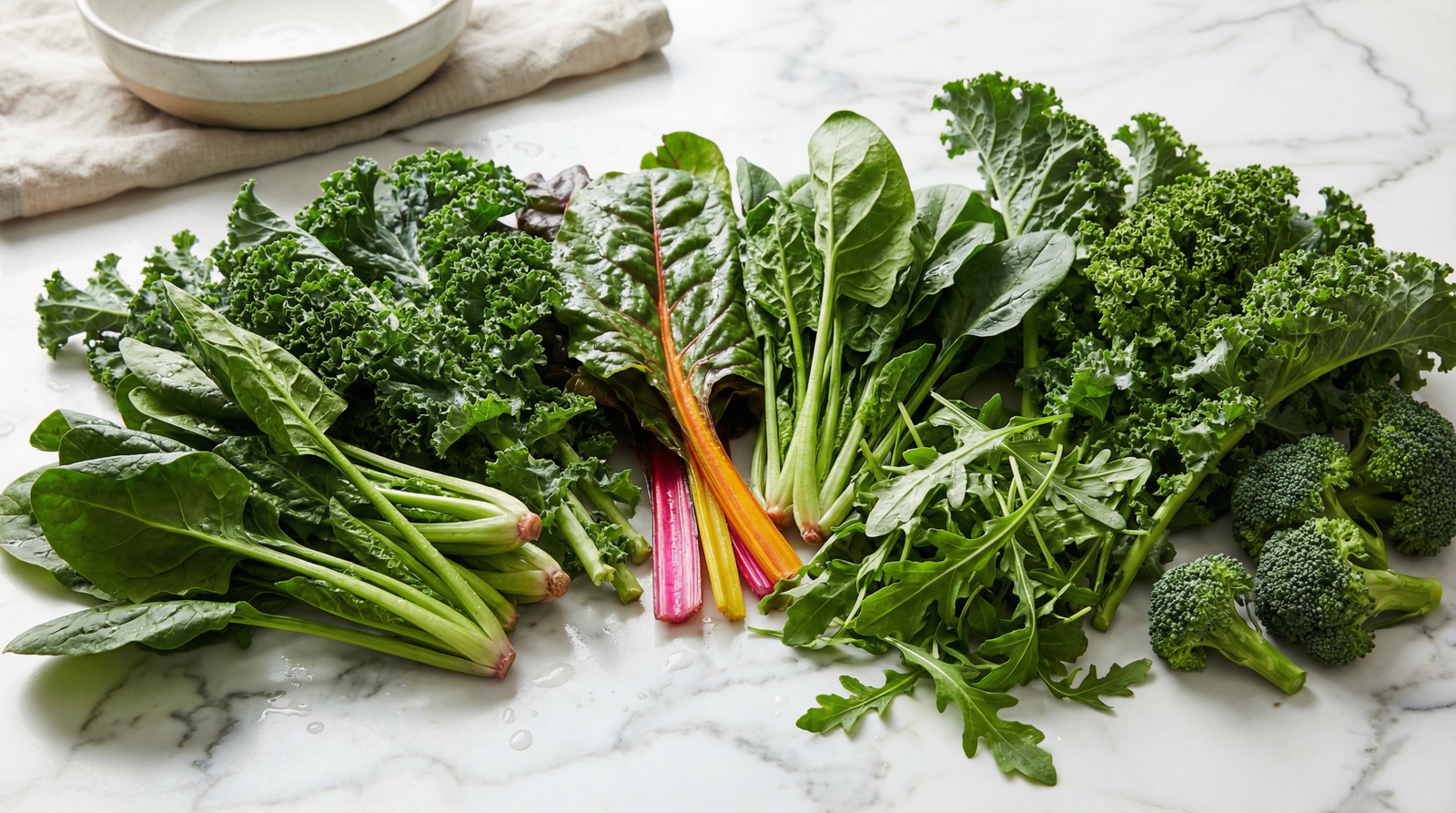
- Leafy Greens: Spinach, kale, collard greens, and Swiss chard are nutritional powerhouses, packed with antioxidants, vitamins, and minerals that help quell inflammation.
- Broccoli: This cruciferous vegetable is a rich source of sulforaphane, an antioxidant that has been shown to have potent anti-inflammatory and anti-cancer effects.
- Bell Peppers and Chili Peppers: Bell peppers are an excellent source of vitamin C and quercetin, an antioxidant that can help reduce inflammation. Chili peppers contain capsaicin, a compound that has been shown to have anti-inflammatory and pain-relieving properties.
- Avocados: These creamy fruits are a unique source of healthy monounsaturated fats, as well as potassium, magnesium, and fiber. They also contain carotenoids and tocopherols, which have been linked to a reduced risk of chronic diseases.
The Goodness of Nuts and Seeds
Nuts and seeds are a great source of healthy fats, fiber, and antioxidants.
- Almonds and Walnuts: These nuts are particularly rich in anti-inflammatory monounsaturated and polyunsaturated fats, as well as vitamin E, a potent antioxidant.
- Flaxseeds and Chia Seeds: These tiny seeds are packed with alpha-linolenic acid (ALA), a plant-based omega-3 fatty acid that has been shown to have anti-inflammatory effects.
The Magic of Healthy Fats
Not all fats are created equal. Choosing the right fats is essential for an anti-inflammatory diet.
- Extra Virgin Olive Oil: This staple of the Mediterranean diet is rich in oleic acid, a monounsaturated fat that has been shown to reduce inflammation. It also contains oleocanthal, an antioxidant that has been found to have effects similar to ibuprofen.
The Aroma of Spices
Spices do more than just add flavor to your food. Many of them have potent anti-inflammatory properties.
- Turmeric: This golden spice contains curcumin, a powerful anti-inflammatory compound that has been shown to be as effective as some anti-inflammatory drugs.
- Ginger: Ginger contains gingerol, a substance with powerful anti-inflammatory and antioxidant properties. It has been used for centuries to treat a variety of ailments, including nausea and pain.
Other Inflammation-Fighting Foods
- Green Tea: Green tea is rich in epigallocatechin-3-gallate (EGCG), a powerful antioxidant that has been shown to reduce inflammation and protect against chronic diseases.
- Dark Chocolate and Cocoa: Good news for chocolate lovers! Dark chocolate with a high cocoa content (70% or more) is packed with antioxidants that can help reduce inflammation.
Foods That Fuel the Fire
Just as some foods can help fight inflammation, others can promote it. To maximize the benefits of your anti-inflammatory diet, it’s best to limit or avoid the following:
- Processed and Packaged Foods: These are often loaded with unhealthy fats, sugar, and artificial ingredients that can trigger inflammation.
- Sugary Beverages: Sodas, sweetened teas, and fruit juices are major sources of added sugar, which can lead to inflammation and other health problems.
- Refined Carbohydrates: White bread, pasta, and rice have been stripped of their fiber and nutrients, and they can cause rapid spikes in blood sugar, which can trigger inflammation.
- Fried Foods: Fried foods are high in unhealthy trans fats and advanced glycation end products (AGEs), which are both highly inflammatory.
- Red and Processed Meats: These have been linked to increased levels of inflammatory markers in the body.
A Glimpse into an Anti-Inflammatory Lifestyle
While diet is a cornerstone of an anti-inflammatory lifestyle, it’s not the only piece of the puzzle. Here are some other lifestyle factors that can help you keep inflammation in check:
- Regular Exercise: Aim for at least 30 minutes of moderate-intensity exercise most days of the week.
- Stress Management: Chronic stress can contribute to inflammation. Practice stress-reducing activities like yoga, meditation, or deep breathing.
- Quality Sleep: Aim for 7-9 hours of quality sleep per night. Poor sleep has been linked to increased inflammation.
Frequently Asked Questions (FAQ)
1. How quickly can I expect to see results from an anti-inflammatory diet?
While the timeline can vary, many people report feeling more energetic and experiencing a reduction in aches and pains within a few weeks of adopting an anti-inflammatory diet.
2. Do I have to give up all my favorite foods?
Not at all! The goal is to create a sustainable way of eating that you can enjoy for the long term. It’s all about balance and moderation. You can still enjoy your favorite treats in moderation while focusing on filling your plate with nutrient-dense, anti-inflammatory foods.
3. Are there any supplements that can help reduce inflammation?
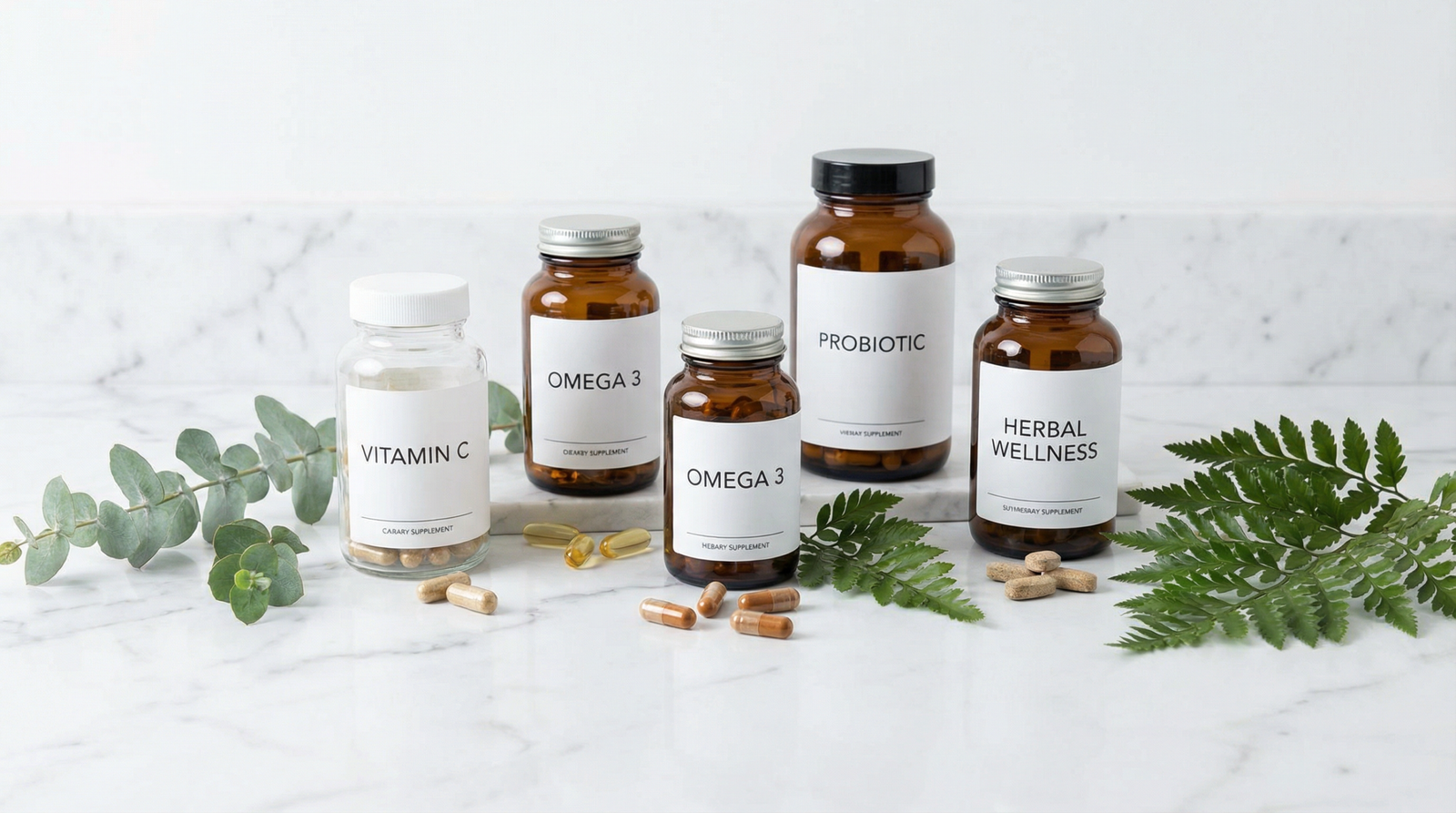
While it’s always best to get your nutrients from whole foods, certain supplements, such as omega-3 fatty acids, curcumin (from turmeric), and ginger, may provide additional anti-inflammatory support. However, it’s crucial to talk to your doctor before starting any new supplements.
Conclusion
Embracing an anti-inflammatory diet is one of the most powerful steps you can take to protect your health and well-being. By making informed choices about the foods you eat, you can reduce chronic inflammation, lower your risk of chronic diseases, and unlock a new level of vitality. So, take this shopping list, head to the grocery store, and start your journey to a healthier, happier you.


news via inbox
Receive the best content from our specialists

[…] and antioxidants, while minimizing or avoiding those that trigger an inflammatory response. For more on this, see. A good way to structure your plate is to fill half of it with colorful vegetables, a quarter with […]
[…] a compound known for its antibacterial and antiviral properties. Ginger and turmeric are powerful anti-inflammatory agents, and chicken broth contains amino acids that can help reduce inflammation in the respiratory […]