Stress Management Techniques That Actually Work
In today’s fast-paced world, stress has become an unwelcome companion for many. While a little stress can be motivating, chronic stress can take a toll on your physical and mental health. If you’re tired of feeling overwhelmed, you’ve come to the right place. This guide will explore a variety of effective stress management techniques, from ancient mindfulness practices to modern-day strategies. We’ll delve into the science behind why these methods work and provide actionable steps you can take to reclaim your sense of calm and well-being.
Meditation and Mindfulness: Your Brain’s Reset Button
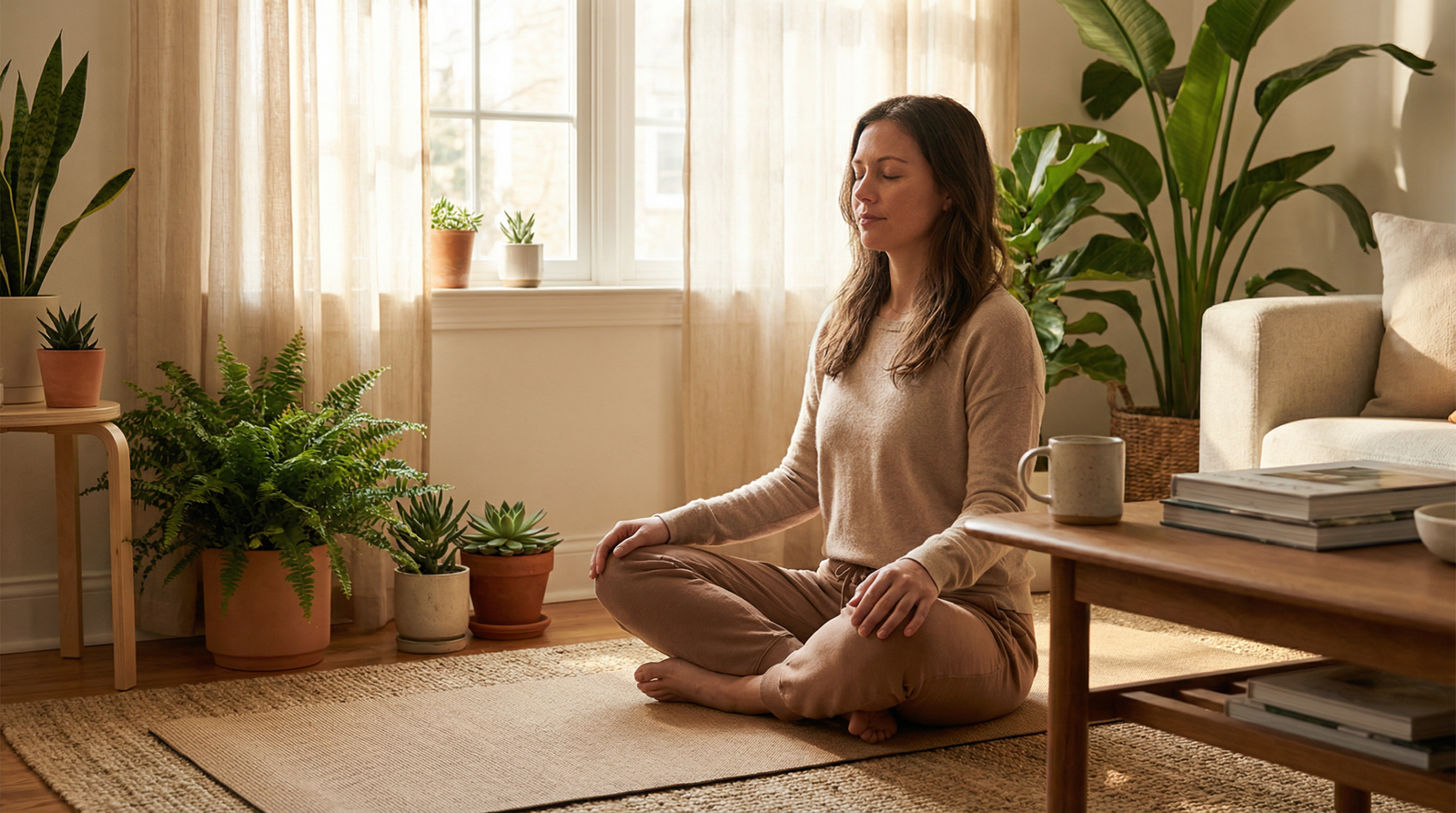
One of the most powerful stress management techniques is the practice of meditation and mindfulness. These ancient practices have gained widespread recognition in the scientific community for their profound effects on the brain and body.
What is Mindfulness?
Mindfulness is the practice of being present and fully engaged in the current moment, without judgment. It’s about observing your thoughts, feelings, and bodily sensations without getting carried away by them. Instead of worrying about the future or ruminating on the past, mindfulness brings you back to the here and now.
The Science-Backed Benefits of Meditation
Research has shown that regular meditation practice can lead to a variety of benefits for stress management, including:
- Reduced Cortisol Levels: Cortisol is the body’s primary stress hormone. Studies have found that mindfulness meditation can effectively reduce cortisol levels, helping to calm the body’s stress response.
- Changes in Brain Structure: MRI scans have revealed that long-term meditation practice can lead to an increase in gray matter in areas of the brain associated with learning, memory, and emotional regulation.
- Improved Focus and Attention: In our world of constant distractions, meditation can help you train your attention and improve your ability to focus on the task at hand.
How to Practice Mindfulness Meditation
Getting started with meditation is simpler than you might think. Here’s a basic guide:
- Find a Quiet Space: Choose a comfortable place where you won’t be disturbed for a few minutes.
- Set a Timer: Start with just 5-10 minutes a day and gradually increase the duration as you feel more comfortable.
- Focus on Your Breath: Sit in a comfortable position and bring your attention to the sensation of your breath entering and leaving your body.
- Acknowledge Your Thoughts: Your mind will inevitably wander. When it does, gently acknowledge the thought without judgment and guide your attention back to your breath.
The Power of Your Breath: Simple Breathing Exercises for Instant Calm
Your breath is a powerful tool that you can use to manage stress anytime, anywhere. Deep breathing exercises can help to activate the parasympathetic nervous system, which is responsible for the body’s “rest and digest” response. This can lead to a decrease in heart rate, blood pressure, and muscle tension.
The 4-7-8 Breathing Technique
This simple yet effective technique can be done anywhere to quickly reduce feelings of anxiety and stress. Here’s how to do it:
- Exhale Completely: Sit or lie down in a comfortable position and exhale completely through your mouth, making a whoosh sound.
- Inhale Through Your Nose: Close your mouth and inhale quietly through your nose to a mental count of four.
- Hold Your Breath: Hold your breath for a count of seven.
- Exhale Through Your Mouth: Exhale completely through your mouth, making a whoosh sound to a count of eight.
- Repeat: Inhale again and repeat the cycle three more times for a total of four breaths.
Box Breathing
Also known as four-square breathing, box breathing is a technique used by Navy SEALs to stay calm and focused in high-pressure situations. It’s easy to remember and can be done anywhere:
- Inhale for 4 seconds.
- Hold your breath for 4 seconds.
- Exhale for 4 seconds.
- Hold your breath for 4 seconds.
- Repeat for several minutes.
Move Your Body, Calm Your Mind: The Role of Exercise in Stress Management
Physical activity is not just good for your physical health; it’s also a fantastic way to manage stress. When you exercise, your body releases endorphins, which are natural mood boosters. Regular exercise can also help to improve sleep quality, increase self-confidence, and reduce symptoms of anxiety and depression.
Types of Exercise for Stress Relief
While any form of physical activity can be beneficial, some exercises are particularly effective for stress relief:
- Aerobic Exercise: Activities like running, swimming, cycling, and dancing can help to improve cardiovascular health and reduce stress.
- Yoga: This ancient practice combines physical postures, breathing exercises, and meditation to create a holistic approach to stress management.
- Tai Chi: Often described as “meditation in motion,” Tai Chi is a gentle, flowing form of exercise that can help to improve balance, flexibility, and mental focus.
- Strength Training: Lifting weights or doing bodyweight exercises can help to build muscle, boost metabolism, and improve mood.
How to Make Exercise a Habit
If you’re new to exercise, it’s important to start slow and choose activities that you enjoy. Here are a few tips for making exercise a regular part of your routine:
- Schedule Your Workouts: Treat your workouts like any other important appointment and schedule them in your calendar.
- Find a Workout Buddy: Exercising with a friend can help to keep you motivated and accountable.
- Set Realistic Goals: Don’t try to do too much too soon. Start with short, manageable workouts and gradually increase the duration and intensity as you get stronger.
Master Your Time, Master Your Stress: The Art of Time Management
Feeling like you have too much to do and not enough time to do it is a major source of stress for many people. Effective time management can help you to feel more in control of your life and reduce feelings of overwhelm.
The Eisenhower Matrix: A Simple Tool for Prioritization
The Eisenhower Matrix is a simple yet powerful tool that can help you to prioritize your tasks based on their urgency and importance. Here’s how it works:
- Urgent and Important: These are the tasks that you should do immediately.
- Important, But Not Urgent: These are the tasks that you should schedule for later.
- Urgent, But Not Important: These are the tasks that you should delegate to someone else if possible.
- Not Urgent and Not Important: These are the tasks that you should eliminate from your to-do list.
Other Time Management Techniques
In addition to the Eisenhower Matrix, there are a variety of other time management techniques that you can use to improve your productivity and reduce stress:
- The Pomodoro Technique: This technique involves breaking down your work into 25-minute intervals, separated by short breaks.
- Time Blocking: This technique involves scheduling out every part of your day, from work tasks to personal appointments.
- The Two-Minute Rule: If a task takes less than two minutes to complete, do it immediately instead of putting it off for later.
Supplements for Stress Relief: A Natural Approach to Calm
While lifestyle changes like meditation, exercise, and time management are the cornerstones of effective stress management, certain supplements can also provide additional support. It’s important to consult with a healthcare professional before starting any new supplement regimen, especially if you have any underlying health conditions or are taking other medications.
Adaptogens: Nature’s Stress Fighters
Adaptogens are a class of herbs that help the body to adapt to stress and maintain balance. Some of the most well-researched adaptogens for stress relief include:
- Ashwagandha: This ancient Ayurvedic herb has been shown to reduce cortisol levels, improve sleep quality, and reduce symptoms of anxiety.
- Rhodiola Rosea: This herb has been used for centuries in traditional medicine to combat fatigue and enhance physical and mental performance.
- Holy Basil (Tulsi): Also known as the “Queen of Herbs” in Ayurveda, Holy Basil can help to reduce stress and anxiety by lowering cortisol levels and promoting a sense of calm.
Other Supplements for Stress Management
In addition to adaptogens, there are a variety of other supplements that may be beneficial for stress management:
- Magnesium: This essential mineral plays a crucial role in the body’s stress response. Magnesium deficiency has been linked to increased anxiety and stress.
- L-Theanine: This amino acid, found in green tea, can help to promote relaxation and reduce stress without causing drowsiness.
- B Vitamins: The B vitamins are essential for a healthy nervous system and can help to improve mood and reduce symptoms of stress and anxiety.
Frequently Asked Questions (FAQ)
What is the most effective stress management technique?
The most effective stress management technique is the one that you will actually do consistently. It’s important to experiment with different techniques to find what works best for you. For some people, meditation may be the most effective, while for others, it may be exercise or spending time in nature.
How long does it take for stress management techniques to work?
The effects of stress management techniques can vary from person to person. Some techniques, like deep breathing, can provide immediate relief, while others, like meditation, may take several weeks of consistent practice to show their full benefits. The key is to be patient and consistent with your practice.
Can stress management techniques help with anxiety?
Yes, many stress management techniques can be very effective for managing symptoms of anxiety. Techniques like meditation, deep breathing, and yoga can help to calm the nervous system and reduce feelings of anxiety and panic.
Is it possible to completely eliminate stress from my life?
While it’s not possible to completely eliminate stress from your life, you can learn to manage it more effectively. The goal of stress management is not to get rid of stress altogether, but to develop the tools and resilience you need to navigate life’s challenges without feeling overwhelmed.


news via inbox
Receive the best content from our specialists