
Superfoods That Actually Live Up to the Hype
In the ever-expanding world of wellness, the term “superfood” is everywhere. From exotic berries to ancient grains, we’re constantly bombarded with claims of miracle foods that can solve all our health problems. But with so much hype, it’s easy to become skeptical. This article cuts through the noise to bring you five evidence-based superfoods that actually live up to the hype. These are the nutritional powerhouses that are not only delicious but are also backed by science for their remarkable health benefits. Let’s explore the real superfoods that work.
Blueberries: The Antioxidant Powerhouse
Blueberries are small but mighty fruits that have earned their reputation as a superfood. Their deep blue color is a giveaway to their high concentration of powerful plant compounds called anthocyanins. These antioxidants are the star players responsible for many of blueberries’ health benefits. They are also a good source of vitamin C, vitamin K, and fiber.
Health Benefits of Blueberries
- Brain Health: Regular consumption of blueberries has been linked to improved memory and cognitive function. The antioxidants in blueberries can help protect the brain from oxidative stress and may delay the effects of age-related cognitive decline.
- Heart Health: The anthocyanins in blueberries have been shown to support heart health by helping to lower blood pressure and making blood vessels more flexible. Their fiber content also helps to reduce cholesterol levels.
- Anti-inflammatory Properties: Chronic inflammation is a root cause of many diseases. The antioxidants in blueberries have potent anti-inflammatory effects, which can help protect your body from long-term damage.
How to Enjoy Blueberries
Incorporating blueberries into your diet is easy and delicious. When they are in season, enjoy them fresh. Out of season, frozen blueberries are just as nutritious. Add them to your morning smoothie, sprinkle them on yogurt or oatmeal, or toss them into a salad for a burst of sweetness and color.
Salmon: The Heart-Healthy Fish
Salmon is a fatty fish that is prized for its rich content of omega-3 fatty acids, specifically eicosapentaenoic acid (EPA) and docosahexaenoic acid (DHA). These essential fats play a crucial role in our health and must be obtained through our diet. Salmon is also an excellent source of high-quality protein, vitamin D, and B vitamins.
Health Benefits of Salmon
- Heart Health: The omega-3 fatty acids in salmon are renowned for their heart-protective effects. They can help to reduce inflammation, lower triglycerides, and improve cholesterol levels, all of which contribute to a healthier cardiovascular system.
- Brain Function: DHA is a major structural component of the brain and retina. Adequate intake of this fatty acid is essential for brain development and function throughout life.
- Mood Enhancement: Some studies suggest that the omega-3s in salmon may have a positive impact on mental health, potentially helping to reduce symptoms of depression and anxiety.
How to Enjoy Salmon
Salmon is a versatile fish that can be prepared in numerous ways. Grilling, baking, or pan-searing are all healthy and delicious cooking methods. For a convenient and affordable option, canned salmon is a great choice. You can use it to make salmon salads, patties, or add it to pasta dishes.
Leafy Greens: The Nutrient-Dense Foundation
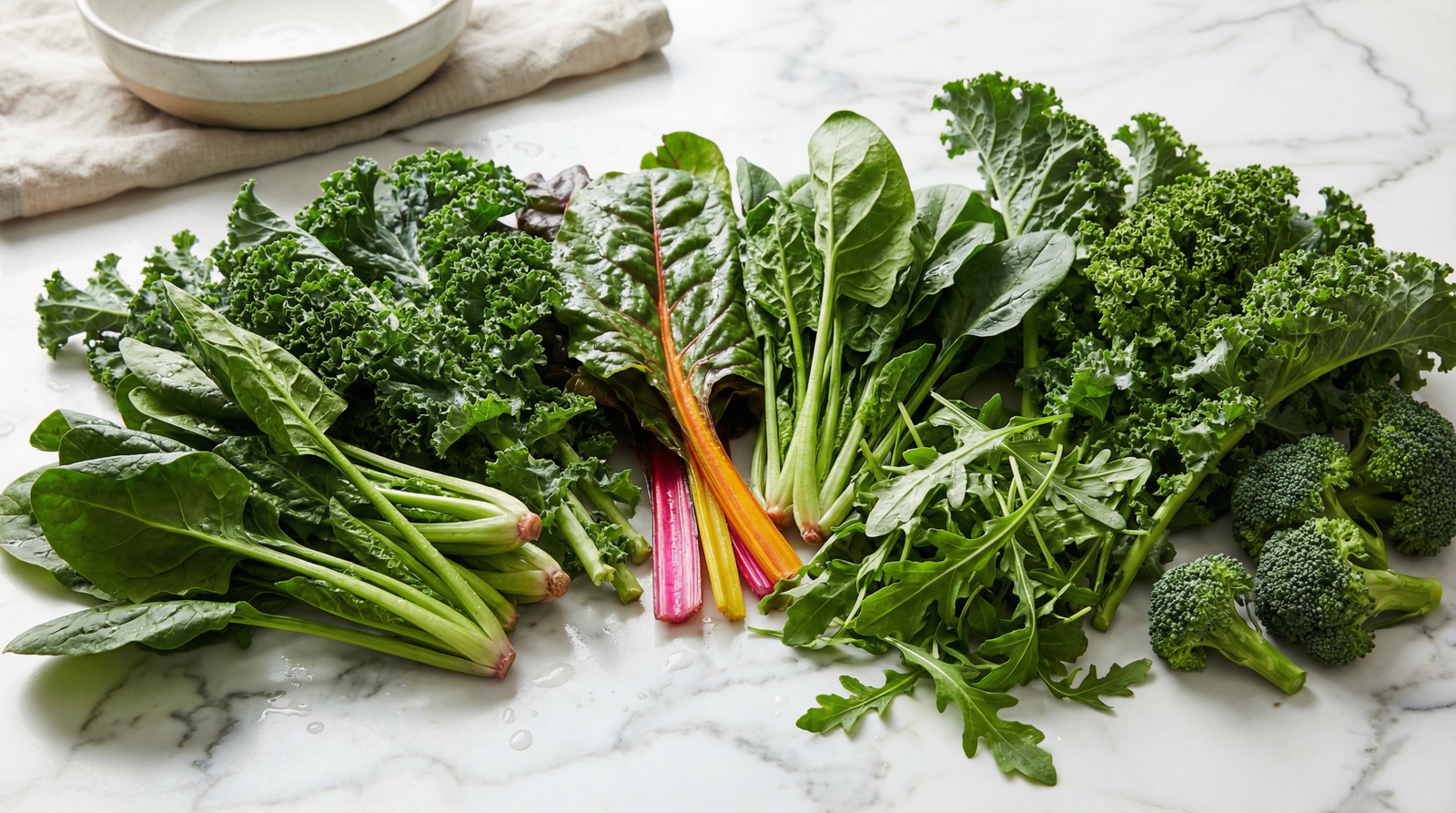
Dark leafy greens like spinach, kale, Swiss chard, and collard greens are the foundation of a healthy diet. They are incredibly nutrient-dense, meaning they are low in calories but high in vitamins, minerals, and other beneficial compounds. They are an excellent source of vitamins A, C, E, and K, as well as folate, iron, and calcium.
Health Benefits of Leafy Greens
- Bone Health: Leafy greens are one of the best dietary sources of vitamin K, a nutrient that is essential for bone health and proper blood clotting.
- Eye Health: They are rich in lutein and zeaxanthin, two antioxidants that accumulate in the retina of the eye and help protect against age-related macular degeneration and cataracts.
- Chronic Disease Prevention: The combination of antioxidants and fiber in leafy greens can help to reduce the risk of chronic diseases like heart disease, diabetes, and some types of cancer.
How to Enjoy Leafy Greens
The versatility of leafy greens makes them easy to add to any meal. Use them as the base for a nutrient-packed salad, blend them into a smoothie, sauté them with garlic and olive oil for a simple side dish, or add them to soups and stews for an extra dose of nutrition.
Nuts: The Healthy Fat and Fiber Snack
Nuts, such as almonds, walnuts, and pistachios, are a satisfying and nutritious snack. They are a great source of plant-based protein, healthy fats, and fiber. While they are calorie-dense, their nutrient profile makes them a valuable addition to a balanced diet. They are packed with monounsaturated and polyunsaturated fats, which are beneficial for heart health.
Health Benefits of Nuts
- Heart Health: Regular nut consumption has been associated with lower levels of LDL (bad) cholesterol and a reduced risk of heart disease.
- Weight Management: The protein and fiber in nuts can help you feel full and satisfied, which can aid in weight management by preventing overeating.
- Blood Sugar Control: Nuts have a low glycemic index and can help to improve blood sugar control, making them a smart choice for individuals with type 2 diabetes.
How to Enjoy Nuts
Nuts are a convenient and portable snack. Enjoy a handful on their own, sprinkle them on top of salads, or add them to your morning yogurt or oatmeal. You can also find a variety of nut butters to spread on toast or apple slices. For a great selection of high-quality nuts, check out this.
Olive Oil: The Liquid Gold
A staple of the heart-healthy Mediterranean diet, extra virgin olive oil is more than just a cooking fat. It is a true superfood, rich in monounsaturated fats, particularly oleic acid, as well as vitamin E and powerful antioxidants. The quality of olive oil matters, with extra virgin olive oil being the least processed and most nutrient-rich.
Health Benefits of Olive Oil
- Heart Health: The high content of monounsaturated fats in olive oil is a cornerstone of its heart-protective effects. It can help to lower bad cholesterol and reduce blood pressure.
- Anti-inflammatory Properties: Olive oil contains a compound called oleocanthal, which has been shown to have anti-inflammatory effects similar to ibuprofen.
- Brain Health: The healthy fats and antioxidants in olive oil may help to protect the brain from the oxidative stress associated with cognitive decline and neurodegenerative diseases.
How to Enjoy Olive Oil
Extra virgin olive oil is best used for low-heat cooking, as a finishing oil, or in salad dressings to preserve its delicate flavor and nutrient content. Use it to sauté vegetables, drizzle it over roasted fish or chicken, or create a simple and delicious vinaigrette for your salads.
How to Incorporate These Superfoods into Your Diet
Now that you know about these five fantastic superfoods, you might be wondering how to make them a regular part of your diet. The key is to focus on variety and balance. Here are some practical tips to get you started:
- Meal Planning: Plan your meals for the week ahead to ensure you’re including a variety of these superfoods.
- Smart Snacking: Keep healthy snacks on hand to avoid reaching for processed foods. A handful of almonds, a piece of fruit, or a small container of yogurt are all great options.
- Cook at Home: Cooking at home gives you complete control over the ingredients you use. For more recipe ideas, check out our posts on Sugar-Free Dessert Recipes for Diabetics, Green Tea Recipes, and Detox Water Recipes.
Frequently Asked Questions (FAQ)
What makes a food a “superfood”?
The term “superfood” is more of a marketing term than a scientific one. There is no official definition, but it is generally used to describe foods that are exceptionally nutrient-dense and have been linked to various health benefits. These foods are rich in vitamins, minerals, antioxidants, and other compounds that can help to improve health and prevent disease.
Can I just eat superfoods and be healthy?
While superfoods are a great addition to your diet, they are not a magic solution for good health. A healthy diet is all about balance and variety. It is important to eat a wide range of foods from all food groups to ensure you are getting all the nutrients your body needs. Relying solely on a few superfoods can lead to nutritional deficiencies.
Are frozen superfoods as healthy as fresh?
In many cases, yes! Fruits and vegetables are often frozen at their peak ripeness, which helps to preserve their nutrient content. For foods like blueberries and salmon, the frozen versions can be just as nutritious as the fresh ones. This makes it easy and affordable to enjoy these superfoods year-round.
How much of these superfoods should I eat?
There is no one-size-fits-all answer to this question, as it depends on your individual needs and dietary goals. However, a good general guideline is to aim for a colorful and varied diet. Try to include a serving of leafy greens in your daily meals, eat fatty fish like salmon twice a week, and enjoy a handful of nuts as a regular snack.
Conclusion
While the world of superfoods can be confusing, there are some clear winners that have earned their place in a healthy diet. Blueberries, salmon, leafy greens, nuts, and olive oil are all nutritional powerhouses that are backed by scientific evidence for their impressive health benefits. By incorporating these foods into your meals, you can take a proactive step towards improving your heart health, brain function, and overall well-being.


news via inbox
Receive the best content from our specialists