How to Support Healthy Aging: A Complete Guide
As we grow older, the desire to maintain our health, vitality, and independence becomes more important than ever. We all dream of a future where we are not just living longer, but living better. Healthy aging isn’t about a magical elixir to turn back time, but rather about the daily, conscious choices that empower our bodies and minds for the journey ahead. This comprehensive guide will illuminate the path to a vibrant and fulfilling later life, exploring the interconnected pillars of nutrition, exercise, mental fortitude, and supportive lifestyle habits. By embracing a proactive approach, you can unlock the secrets to navigating the aging process with grace, energy, and a profound sense of well-being.
The Pillars of Healthy Aging
Healthy aging is a multifaceted process that involves several key pillars. These include a nutritious diet, regular physical activity, strong mental and emotional health, and a supportive lifestyle. By focusing on these areas, you can significantly improve your quality of life as you age. Think of these pillars as the foundation of a sturdy house; if one is weak, the entire structure is compromised. A holistic approach that nurtures each of these areas is the key to building a resilient and vibrant life.
Nutrition for Longevity
What you eat plays a crucial role in how you age. A healthy diet can help you maintain a healthy weight, prevent chronic diseases, and keep your body functioning optimally. Food is the fuel that powers every cell in your body, and choosing high-quality fuel is essential for long-term performance.
The Importance of a Balanced Diet
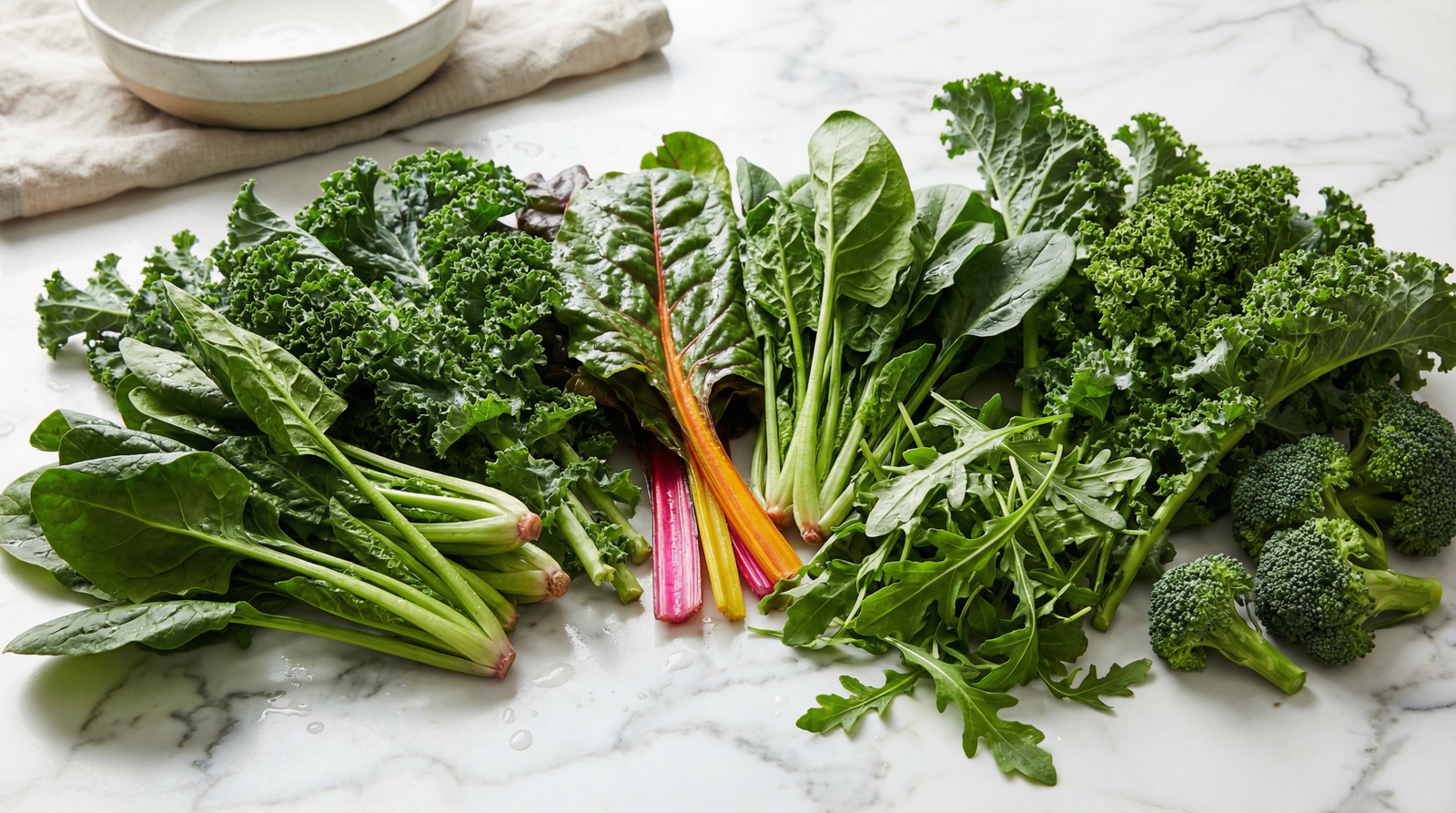
A balanced diet for older adults should include a variety of nutrient-dense foods from all food groups. This means plenty of fruits, vegetables, whole grains, lean proteins, and healthy fats. It’s also important to limit your intake of processed foods, sugary drinks, and unhealthy fats. A colorful plate is a good indicator of a nutrient-rich meal. The Mediterranean diet, with its emphasis on fresh produce, healthy fats, and lean protein, is an excellent model for healthy aging.
Key Nutrients for Older Adults
- Potassium: This mineral is vital for maintaining healthy blood pressure, which is a major risk factor for heart disease and stroke. Excellent sources of potassium include bananas, sweet potatoes, spinach, and beans.
- Calcium and Vitamin D: These two work in tandem to keep your bones strong and dense, reducing the risk of osteoporosis and fractures. Dairy products, leafy greens, and fortified foods are great sources of calcium, while vitamin D can be obtained from sunlight and fatty fish.
- Vitamin B12: This vitamin is crucial for nerve function and the formation of red blood cells. As we age, our ability to absorb B12 from food can decrease, so it’s important to include fortified cereals, lean meats, and fish in your diet.
- Dietary Fiber: Fiber is essential for a healthy digestive system and can help lower the risk of heart disease, type 2 diabetes, and some types of cancer. Whole grains, fruits, vegetables, and legumes are all excellent sources of fiber.
Hydration Matters
As we get older, our sense of thirst may diminish, making it easier to become dehydrated. Dehydration can lead to a host of problems, including fatigue, confusion, and urinary tract infections. It’s important to drink plenty of water throughout the day, even if you don’t feel thirsty. Other healthy options include low-fat milk, fortified soy beverages, and 100% fruit juice.
Foods to Include
- Fruits and Vegetables: Aim for a rainbow of colors to ensure you’re getting a wide range of vitamins, minerals, and antioxidants. Berries, leafy greens, and cruciferous vegetables like broccoli and cauliflower are particularly beneficial.
- Whole Grains: Oats, brown rice, quinoa, and whole-wheat bread provide sustained energy and are rich in fiber.
- Lean Proteins: Fish, poultry, beans, lentils, and tofu help maintain muscle mass, which is crucial for strength and mobility.
- Healthy Fats: Avocados, nuts, seeds, and olive oil are important for brain health and can help reduce inflammation.
Foods to Limit
- Processed Foods: Packaged snacks, fast food, and processed meats are often high in sodium, unhealthy fats, and artificial ingredients.
- Sugary Drinks: Soda, sweetened teas, and fruit punch provide empty calories and can contribute to weight gain and other health problems.
- Unhealthy Fats: Saturated and trans fats found in fried foods and baked goods can raise cholesterol levels and increase the risk of heart disease.
The Role of Physical Activity
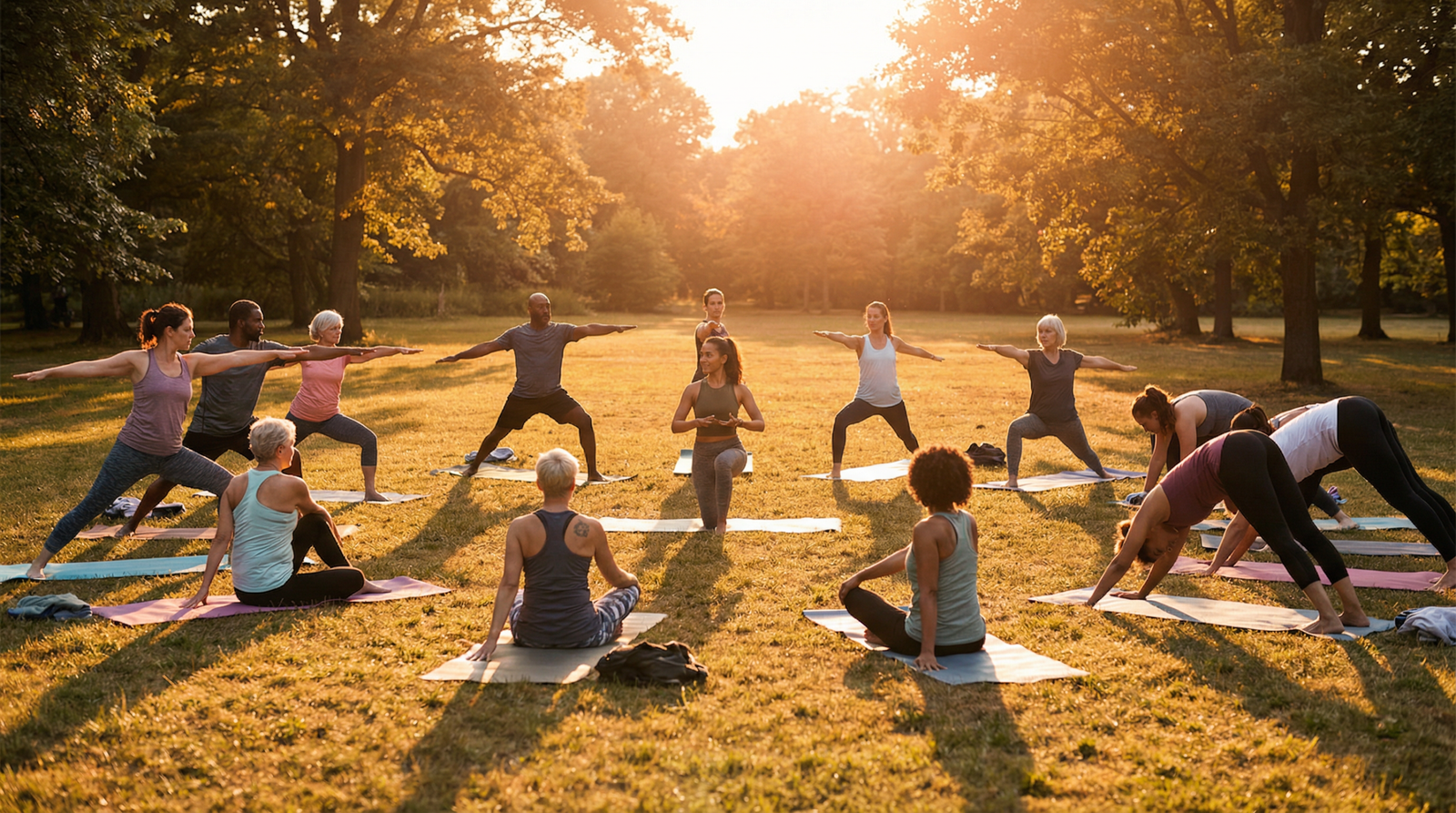
Regular physical activity is one of the most important things you can do for your health as you age. It can help you maintain a healthy weight, strengthen your bones and muscles, and reduce your risk of chronic diseases. Movement is medicine, and it’s a prescription that everyone can fill.
Benefits of Regular Exercise
- Improves balance and reduces the risk of falls, a major cause of injury in older adults.
- Boosts mood and reduces symptoms of depression and anxiety by releasing endorphins.
- Helps maintain cognitive function and may reduce the risk of dementia.
- Improves sleep quality, helping you feel more rested and energized.
Types of Exercise for Healthy Aging
A well-rounded exercise program should include:
- Aerobic Exercise: Brisk walking, swimming, cycling, and dancing get your heart rate up and improve cardiovascular health.
- Strength Training: Lifting weights, using resistance bands, and bodyweight exercises like push-ups and squats build and maintain muscle mass.
- Balance Exercises: Tai chi, yoga, and simple exercises like standing on one leg can improve stability and prevent falls.
- Flexibility Exercises: Stretching and yoga can help maintain your range of motion and reduce stiffness.
How Much Exercise Do You Need?
The CDC recommends that older adults get at least 150 minutes of moderate-intensity aerobic activity or 75 minutes of vigorous-intensity aerobic activity each week, plus muscle-strengthening activities on 2 or more days a week. Remember to listen to your body and choose activities you enjoy to ensure you stick with it for the long haul.
Mental and Emotional Well-being
Your mental and emotional health are just as important as your physical health. A sharp mind and a positive outlook can make a big difference in your overall well-being. A healthy mind in a healthy body is the ultimate goal.
Keeping Your Mind Sharp
Challenge your brain regularly by learning new things, playing games, and staying socially active. Reading, writing, and engaging in hobbies like painting or playing a musical instrument can also help keep your mind sharp. The brain is like a muscle; the more you use it, the stronger it gets.
The Importance of Social Connection
Staying connected with friends, family, and your community is crucial for mental and emotional health. Social isolation can lead to depression and other health problems. Make an effort to stay in touch with loved ones, join a club or group, or volunteer your time. Meaningful social connections are a powerful buffer against the stresses of life.
Managing Stress and a Positive Outlook
Chronic stress can take a toll on your health. Find healthy ways to manage stress, such as exercise, meditation, or spending time in nature. Mindfulness practices can help you stay present and reduce anxiety. Cultivating a positive outlook can also help you cope with the challenges of aging. Gratitude, optimism, and a sense of purpose can all contribute to a more fulfilling life.
Supplements: What’s Worth Taking?
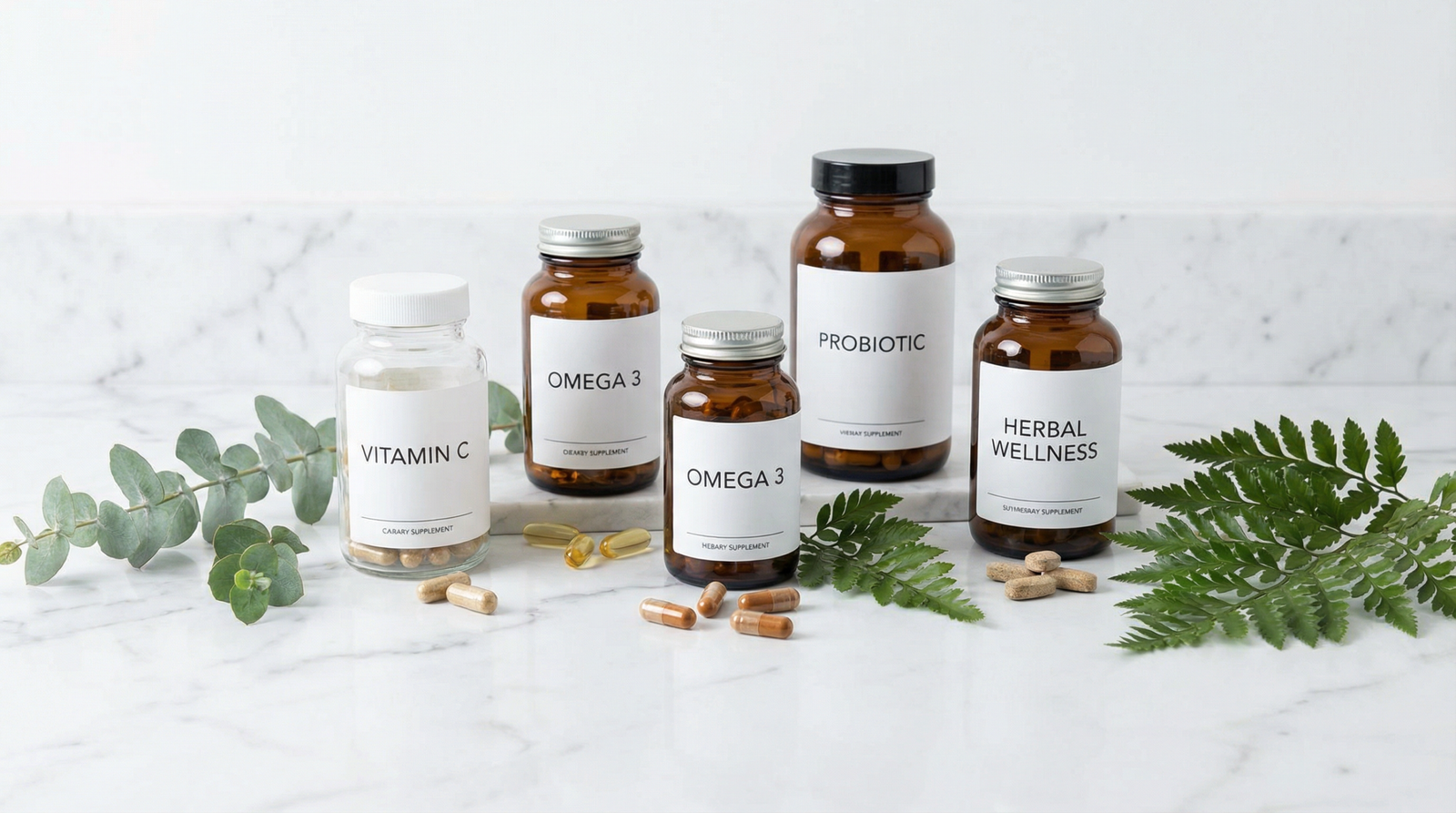
While it’s best to get your nutrients from food, some supplements may be beneficial for older adults.
- Calcium and Vitamin D: To support bone health, especially if you don’t get enough from your diet or sun exposure.
- Vitamin B12: If you have trouble absorbing it from food, a supplement can ensure you’re getting enough.
- Omega-3 Fatty Acids: For heart and brain health, especially if you don’t eat fatty fish regularly.
- Coenzyme Q10 (CoQ10): An antioxidant that may help with heart health and energy production.
- Collagen: May help improve skin elasticity and joint health.
Always talk to your doctor before starting any new supplements to make sure they are right for you and won’t interact with any medications you’re taking.
Lifestyle Habits for a Long and Healthy Life
Your daily habits can have a big impact on your health as you age. Small, consistent changes can add up to big results over time.
The Importance of Sleep
Most older adults need 7-9 hours of sleep per night. Quality sleep is essential for physical and mental restoration. To improve your sleep, establish a regular sleep schedule, create a relaxing bedtime routine, and make sure your bedroom is dark, quiet, and cool.
Avoiding Smoking and Limiting Alcohol
It’s never too late to quit smoking. Quitting smoking is one of the best things you can do for your health, at any age. Limiting your alcohol intake can also have significant health benefits, including a lower risk of liver disease, heart problems, and some types of cancer.
Regular Health Checkups
See your doctor regularly for checkups, screenings, and vaccinations. This can help you catch health problems early, when they’re most treatable, and manage any chronic conditions you may have. Be an active participant in your healthcare and don’t hesitate to ask questions.
Frequently Asked Questions (FAQ)
What is the most important thing I can do for healthy aging?
While all the pillars of healthy aging are important, regular physical activity is often cited as one of the most crucial factors for a long and healthy life. It has wide-ranging benefits for both physical and mental health.
Is it too late to start healthy habits?
No, it’s never too late to make positive changes to your lifestyle. Even small changes can have a big impact on your health and well-being. The journey of a thousand miles begins with a single step.
How can I stay motivated to exercise?
Find activities you enjoy, exercise with a friend to keep each other accountable, and set realistic, achievable goals. Remember that any amount of movement is better than none, and celebrate your progress along the way.
What are some simple ways to improve my diet?
Start by adding more fruits and vegetables to your meals. Swap sugary drinks for water, and choose whole grains over refined grains. Small, sustainable changes are more likely to stick in the long run.
How can I maintain a sense of purpose as I get older?
Stay engaged with activities you find meaningful, whether it’s a hobby, volunteering, or spending time with loved ones. Learning new things and setting new goals can also provide a sense of purpose and fulfillment.
Conclusion
Healthy aging is a journey, not a destination. It’s about making conscious, daily choices to support your physical, mental, and emotional well-being. By nourishing your body with a healthy diet, staying active, nurturing your mind and spirit, and adopting a supportive lifestyle, you can enjoy a vibrant and fulfilling life at any age. Start with small, manageable changes, be patient with yourself, and remember that it’s never too late to invest in your most valuable asset: your health.


news via inbox
Receive the best content from our specialists