The Best Foods for Brain Health and Cognitive Function
Have you ever found yourself standing in a room, wondering why you went in there? Or struggled to recall a familiar name that’s right on the tip of your tongue? These moments of mental fog and forgetfulness are surprisingly common. In our relentlessly fast-paced world, feeling mentally drained is almost a given. But what if you could sharpen your focus, enhance your memory, and protect your brain from cognitive decline, simply by making smarter choices at the dinner table? The link between what you eat and how you think is stronger than you might imagine. This article will serve as your comprehensive guide to the best foods for brain health, helping you to unlock your cognitive potential and keep your mind sharp for years to come.
Fuel Your Brain: Top Foods for Cognitive Enhancement
Just as a high-performance car requires premium fuel, your brain needs a steady supply of high-quality nutrients to function at its best. The foods we consume are broken down into the essential building blocks that create and maintain our brain cells, influence our mood, and protect us from the damaging effects of oxidative stress. Let’s delve into the specific foods that have been scientifically shown to provide a significant boost to our cognitive function.
Fatty Fish: The Ultimate Brain Food
When it comes to brain-boosting foods, fatty fish consistently tops the list, and for good reason. Varieties like salmon, mackerel, herring, and sardines are teeming with omega-3 fatty acids, particularly docosahexaenoic acid (DHA). DHA is a primary structural component of the brain and retina, and it plays a vital role in the development and function of the central nervous system. About 60% of your brain is made of fat, and half of that fat is comprised of omega-3 fatty acids. Your brain uses omega-3s to build brain and nerve cells, and these fats are essential for learning and memory.
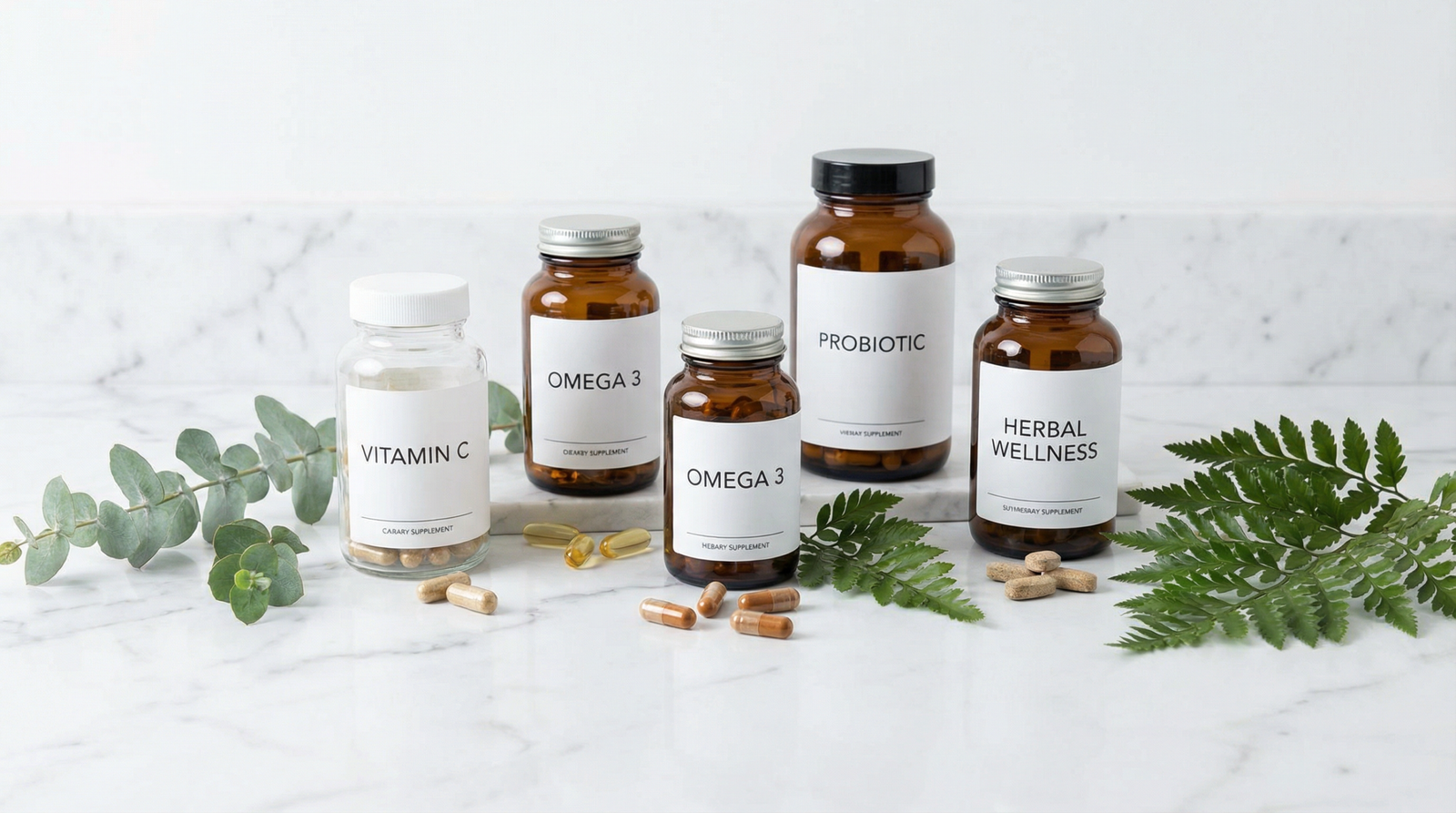
Research has consistently demonstrated the profound benefits of a diet rich in omega-3s. Studies have shown that people with higher levels of omega-3s have increased blood flow in the brain. Furthermore, a 2017 study published in the journal *Neurology* found that healthy older adults with higher levels of omega-3 fatty acids in their blood had larger brain volumes than those with lower levels, suggesting a protective effect against brain shrinkage. If you find it challenging to incorporate fatty fish into your diet, a high-quality fish oil supplement can be an excellent alternative. Look for one that contains both EPA and DHA.
Berries: Nature’s Antioxidant Powerhouses
Don’t let their small size fool you; berries are nutritional giants when it comes to brain health. Blueberries, strawberries, blackberries, and raspberries are bursting with flavonoids, a group of plant compounds that have powerful antioxidant and anti-inflammatory properties. These compounds help to protect brain cells from damage caused by free radicals, which are unstable molecules that can contribute to aging and disease. The inflammation-fighting properties of berries are also crucial for brain health, as chronic inflammation has been linked to a host of neurodegenerative disorders.
The anthocyanins in berries, which give them their brilliant hues, have been found to accumulate in the brain and help improve neuronal signaling. A study in the Annals of Neurology found that a higher intake of flavonoids, particularly from berries, appears to reduce rates of cognitive decline in older adults. To reap these benefits, aim for at least two servings of berries per week.
Nuts and Seeds: A Crunchy Boost for Your Brain
A daily handful of nuts and seeds can be a simple and effective way to support your brain. Walnuts, in particular, are a standout for brain health, as they are a rich source of both omega-3 fatty acids and vitamin E. Almonds, hazelnuts, and sunflower seeds are also excellent sources of vitamin E, an antioxidant that has been shown to protect brain cells from oxidative stress, a major contributor to age-related cognitive decline. A study published in the *American Journal of Epidemiology* found that a good intake of vitamin E might help to prevent cognitive decline.
Beyond vitamin E, nuts and seeds are also packed with a variety of other brain-supportive nutrients, including zinc, magnesium, and B vitamins. Pumpkin seeds are an excellent source of zinc, which is vital for nerve signaling. So, the next time you’re looking for a satisfying snack, reach for a handful of mixed nuts and seeds. Your brain will thank you.
Dark Chocolate: A Sweet Treat for Your Mind
Here’s some news that will delight your taste buds: dark chocolate is good for your brain! The key is to choose high-quality dark chocolate with a cacao content of 70% or higher. Cacao is rich in flavonoids, which, as we’ve learned, are powerful antioxidants. The flavonoids in dark chocolate have been shown to improve blood flow to the brain, which can enhance memory, attention span, and problem-solving skills. A 2018 study published in the journal *Nutrients* found that consuming dark chocolate can improve memory and learning.
In addition to flavonoids, dark chocolate also contains a small amount of caffeine and theobromine, which are natural stimulants that can provide a gentle mental boost. So, go ahead and indulge in a small square of dark chocolate as a daily treat. It’s a delicious way to support your cognitive function.
Leafy Greens: Your Brain’s Best Friend
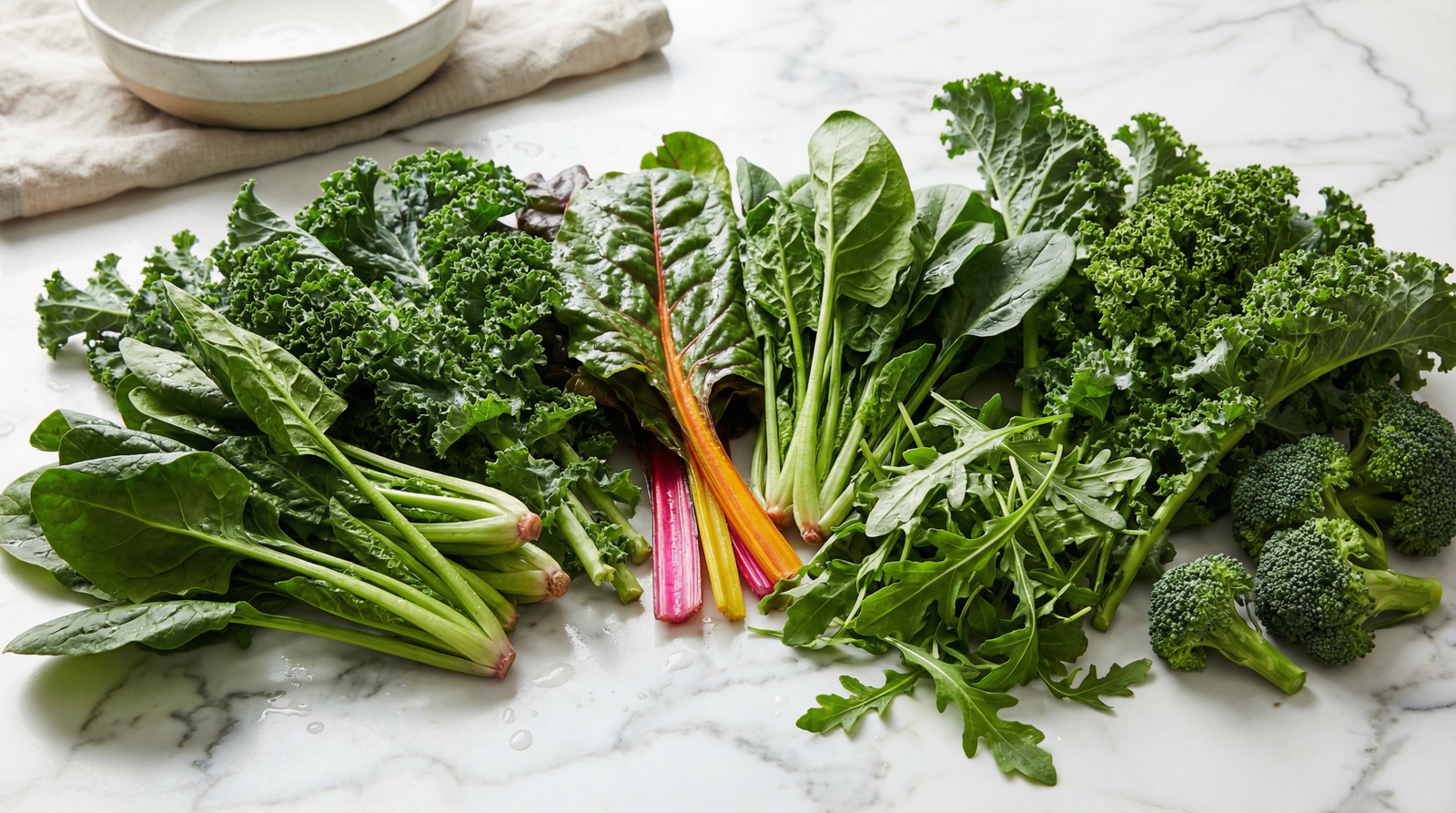
Mom was right when she told you to eat your greens. Leafy green vegetables like spinach, kale, collard greens, and broccoli are nutritional powerhouses for your brain. They are packed with a wealth of brain-loving nutrients, including vitamin K, lutein, folate, and beta-carotene. Vitamin K is involved in the formation of sphingolipids, a type of fat that’s densely packed into brain cells. Lutein, a pigment found in leafy greens, has been linked to improved cognitive performance.
A study from Rush University found that people who ate at least one serving of leafy green vegetables a day had a slower rate of cognitive decline than those who ate little to no leafy greens. The researchers concluded that adding a daily serving of leafy greens to your diet may be a simple way to foster brain health.
Turmeric: The Golden Spice for Brain Health
This vibrant yellow spice, a staple in Indian cuisine, has been used for centuries in Ayurvedic medicine for its healing properties. The magic of turmeric lies in its active compound, curcumin, which is a potent anti-inflammatory and antioxidant. One of the most remarkable properties of curcumin is its ability to cross the blood-brain barrier, meaning it can directly enter the brain and benefit the cells there.
Research has shown that curcumin can have a number of benefits for the brain. A 2018 study from UCLA found that daily consumption of a certain form of curcumin improved memory and mood in people with mild, age-related memory loss. The researchers hypothesized that the benefits may be due to curcumin’s ability to reduce brain inflammation. You can add turmeric to curries, soups, and stews, or even enjoy it in a golden milk latte.
Practical Tips for a Brain-Healthy Diet
Incorporating these brain-boosting foods into your daily routine doesn’t have to be complicated. Here are some simple and practical tips to get you started:
- Start your day with a brain-boosting smoothie. Blend a cup of mixed berries, a handful of spinach, a tablespoon of flaxseeds, and a scoop of protein powder for a delicious and nutrient-dense breakfast.
- Prepare a trail mix with a variety of nuts and seeds, and a few dark chocolate chips, for a convenient and brain-healthy snack.
- Aim to have a large salad with a variety of leafy greens and colorful vegetables at least once a day.
- Make a habit of “Meatless Mondays” and incorporate fatty fish into your dinner rotation on other days of the week.
- Experiment with new recipes that feature turmeric, such as a flavorful curry or a warming soup.
Frequently Asked Questions (FAQ)
How long does it take to see improvements in cognitive function from diet?
While some effects, like the increased focus from the caffeine in dark chocolate, can be felt relatively quickly, the most significant benefits of a brain-healthy diet are cumulative and long-term. Think of it as building a stronger, more resilient brain over time. Consistency is key. The sooner you start, the better.
Can these foods prevent Alzheimer’s disease?
While there is no single food or “magic bullet” that can prevent Alzheimer’s disease, a diet rich in the foods discussed in this article is a cornerstone of the MIND diet (Mediterranean-DASH Intervention for Neurodegenerative Delay). This dietary pattern has been shown in studies to significantly lower the risk of developing Alzheimer’s disease. It’s about playing the long game and creating a lifestyle that supports your brain health.
Are there any other lifestyle factors that can improve brain health?
Absolutely! Diet is a crucial piece of the puzzle, but it’s not the only one. Regular physical exercise, getting adequate quality sleep, managing stress levels, and staying socially engaged are all equally important for maintaining a healthy and vibrant brain throughout your life.
What are some other brain-healthy foods I can include in my diet?
The list of brain-healthy foods is long and delicious! In addition to the ones we’ve covered, consider adding avocados, whole grains, eggs, and green tea to your diet. Avocados are a great source of healthy monounsaturated fats, which support blood flow to the brain. Whole grains provide a steady supply of glucose, the brain’s primary fuel source. Eggs are rich in choline, a nutrient that’s important for memory. And green tea contains L-theanine, an amino acid that can promote a state of calm alertness.
Conclusion
Your brain is your most precious asset, and nourishing it with the right foods is one of the most powerful investments you can make in your long-term health and well-being. By making a conscious effort to incorporate these delicious and nutrient-dense foods into your diet, you can sharpen your memory, enhance your focus, and protect your brain from cognitive decline for years to come. It’s never too late to start feeding your brain what it needs to thrive.


news via inbox
Receive the best content from our specialists