Best Vitamins for Women Over 40: A Complete Guide
As women enter their 40s, their bodies go through a series of changes that necessitate a shift in nutritional focus. Hormonal fluctuations, a natural decline in bone density, and changes in metabolism mean that what worked in your 20s and 30s may no longer be sufficient. This is where a well-thought-out vitamin and supplement regimen can make a world of difference, helping you to not only navigate these changes with grace but to thrive in this new chapter of life. This guide will walk you through the best vitamins for women over 40, covering everything from bone health and energy levels to menopause support.
The Sunshine Vitamin: Vitamin D
Vitamin D, often called the “sunshine vitamin,” is crucial for women over 40. Its primary role is to facilitate calcium absorption, making it essential for maintaining strong and healthy bones. As women approach menopause, the risk of osteoporosis increases, making adequate Vitamin D intake non-negotiable. Beyond bone health, Vitamin D also plays a vital role in mood regulation and immune function. Studies have shown a link between low Vitamin D levels and a higher incidence of seasonal affective disorder (SAD), a condition that can be more prevalent in the winter months. [1]
For women over 40, the recommended daily intake of Vitamin D is 600-800 IU (International Units), though some may need more depending on their individual health status and geographical location. While the most natural source of Vitamin D is sunlight, it’s not always possible to get enough, especially for those living in colder climates or who spend a lot of time indoors. Food sources of Vitamin D include fatty fish like salmon and mackerel, as well as fortified foods like milk, orange juice, and cereals. However, it can be challenging to meet your daily needs through diet alone, which is why a high-quality Vitamin D supplement can be a great option.
The Energy Booster: Vitamin B12
If you’ve been feeling more tired than usual, a Vitamin B12 deficiency could be to blame. This essential vitamin is a powerhouse when it comes to energy metabolism, helping your body convert the food you eat into glucose for energy. It also plays a critical role in neurological function and the formation of red blood cells. As we age, our ability to absorb Vitamin B12 from food decreases, making deficiency more common in women over 40. [2]
The recommended daily intake for Vitamin B12 is 2.4 mcg (micrograms). Excellent food sources of Vitamin B12 include meat, fish, poultry, eggs, and dairy products. For women who follow a vegetarian or vegan diet, it is nearly impossible to get enough B12 from food alone, making supplementation essential. Even for those who do eat animal products, a sublingual B12 supplement can be a good insurance policy to ensure you’re getting enough of this vital nutrient.
The Bone Builder: Calcium
Calcium is synonymous with bone health, and for good reason. This mineral is the building block of our skeletal system, and it’s particularly important for women over 40 who are at an increased risk of osteoporosis. During and after menopause, the drop in estrogen levels leads to a rapid loss of bone mass, making adequate calcium intake crucial for preventing fractures and maintaining mobility.
The recommended daily amount of calcium for women over 50 is 1,200 mg (milligrams), while for women 40-50 it is 1,000mg. While dairy products like milk, yogurt, and cheese are well-known sources of calcium, there are plenty of other options available. Leafy green vegetables like kale and broccoli, fortified plant-based milks, and tofu are all excellent sources of calcium. It’s also important to remember that Vitamin D is necessary for your body to absorb calcium effectively, so be sure to get enough of both.
The Unsung Hero: Magnesium
Magnesium is a mineral that is involved in over 300 biochemical reactions in the body, yet it’s one of the most common nutrient deficiencies. For women over 40, magnesium is a true unsung hero, playing a role in everything from muscle function and sleep to stress management. It can also be particularly helpful for managing some of the less pleasant symptoms of menopause, such as hot flashes and night sweats. [3]
The recommended daily intake for magnesium is 320 mg for women over 40. You can find magnesium in a variety of foods, including nuts, seeds, whole grains, and dark chocolate. Despite its presence in many foods, it can still be difficult to get enough through diet alone. A magnesium supplement, particularly magnesium glycinate, can be a great way to ensure you’re meeting your daily needs and reaping all the benefits of this important mineral.
The Oxygen Carrier: Iron
Iron is an essential mineral that is a key component of hemoglobin, the protein in red blood cells that carries oxygen from your lungs to the rest of your body. Iron deficiency, or anemia, can lead to fatigue, shortness of breath, and a weakened immune system. For women in their 40s, particularly those who are perimenopausal and may experience heavier menstrual bleeding, maintaining adequate iron levels is crucial.
The recommended daily allowance for iron for women aged 19-50 is 18 mg. After menopause, the requirement drops to 8 mg. Iron-rich foods include red meat, poultry, fish, beans, and lentils. To enhance iron absorption, it’s a good idea to consume iron-rich foods with a source of Vitamin C, such as citrus fruits or bell peppers.
The Brain and Heart Protector: Omega-3 Fatty Acids
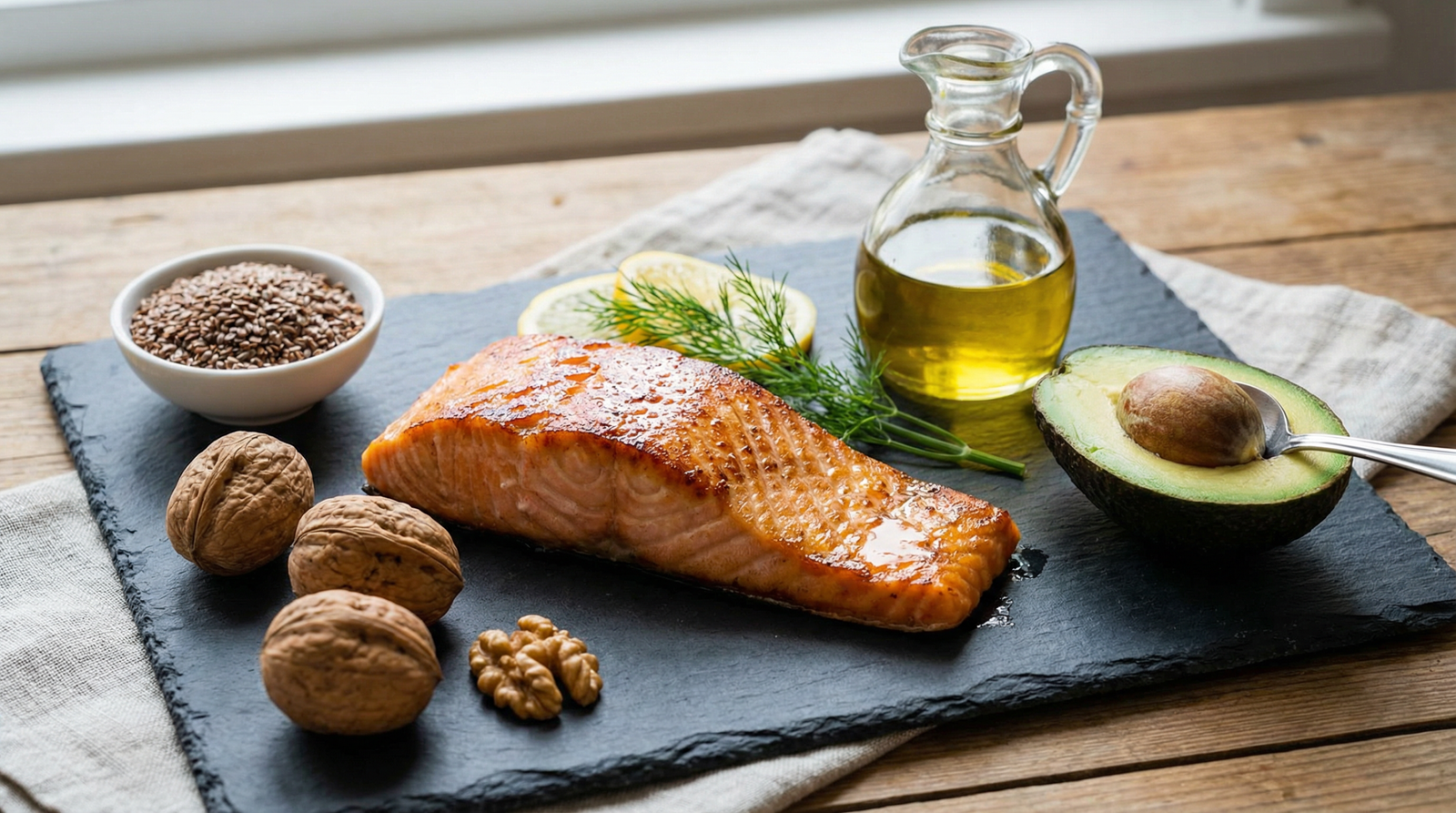
Omega-3 fatty acids are a type of polyunsaturated fat that are essential for brain health, cardiovascular function, and reducing inflammation throughout the body. There are three main types of omega-3s: EPA (eicosapentaenoic acid), DHA (docosahexaenoic acid), and ALA (alpha-linolenic acid). EPA and DHA are found primarily in fatty fish, while ALA is found in plant sources like flaxseeds and walnuts.
For women over 40, omega-3s are particularly beneficial for protecting against heart disease, which is the leading cause of death in women. They can also help to improve cognitive function and may even help to reduce the risk of dementia. Aim for at least two servings of fatty fish per week, or consider taking a high-quality omega-3 supplement.
Supplements for Menopause Support
In addition to the vitamins and minerals listed above, there are a number of other supplements that can be helpful for managing the symptoms of menopause. Black cohosh is an herb that has been shown to be effective for reducing hot flashes, while maca root may help to improve mood and libido. As with any supplement, it’s important to talk to your doctor before adding anything new to your routine.
Frequently Asked Questions
What is the best multivitamin for a woman over 40?
The best multivitamin for a woman over 40 is one that is specifically formulated for this age group. Look for a multivitamin that contains adequate amounts of Vitamin D, B12, and calcium, as well as other important nutrients like magnesium and iron.
Can I get all the necessary vitamins from food?
While it’s always best to get your nutrients from whole foods, it can be challenging to meet all of your needs through diet alone, especially as you get older. A high-quality multivitamin can be a good way to fill in any nutritional gaps.
When is the best time to take these vitamins?
It’s generally best to take your vitamins with a meal to enhance absorption and reduce the risk of stomach upset. However, it’s always a good idea to follow the instructions on the product label.
Are there any risks associated with taking these supplements?
While vitamins and supplements are generally safe, it is possible to get too much of a good thing. It’s always best to talk to your doctor before starting any new supplement regimen to ensure that it’s safe and appropriate for you.
Conclusion
Navigating the changes that come with being a woman over 40 can be a journey, but it doesn’t have to be a difficult one. By focusing on a nutrient-dense diet and a targeted supplement regimen, you can support your body and continue to feel your best for years to come. Remember to always consult with a healthcare professional before making any significant changes to your diet or supplement routine.


news via inbox
Receive the best content from our specialists