How to Improve Gut Health: A Comprehensive Guide to a Thriving Microbiome
In recent years, the conversation around health has increasingly turned inward, focusing on the complex and fascinating world of our gut. But what does it really mean to have a healthy gut, and how can we actively improve gut health? If you’ve ever felt bloated, sluggish, or simply not at your best, the answer might lie within your digestive system. This guide will walk you through the essential foods, supplements, and lifestyle habits that can help you cultivate a thriving gut microbiome for better overall well-being.
Why Your Gut Health Matters More Than You Think
Often referred to as our “second brain,” the gut is home to trillions of microorganisms, including bacteria, viruses, and fungi, collectively known as the gut microbiome. This intricate ecosystem plays a crucial role in everything from digestion and nutrient absorption to immune function and even mental health. When the delicate balance of your gut microbiome is disrupted, a condition known as dysbiosis, it can lead to a host of issues, including digestive discomfort, a weakened immune system, and even mood swings. Therefore, learning how to improve gut health is a fundamental step toward a healthier and more vibrant life. A healthy gut contributes to a strong immune system, heart health, brain health, improved mood, healthy sleep, and effective digestion, and may help prevent some cancers and autoimmune diseases.
Foods to Improve Gut Health: Fueling Your Inner Garden
One of the most effective ways to nurture a healthy gut is through your diet. The food you eat directly feeds the bacteria in your gut, so it’s essential to choose wisely. A diet rich in a variety of whole foods is the best way to support a healthy microbiome.
Fiber-Rich Foods: The Foundation of a Healthy Gut
Fiber is a type of carbohydrate that your body cannot digest. Instead, it passes through your digestive system and becomes food for your beneficial gut bacteria. A diet rich in fiber can help promote the growth of these good bacteria, leading to a more balanced microbiome. There are two types of fiber: soluble and insoluble. Soluble fiber dissolves in water and can help lower glucose levels as well as help lower blood cholesterol. Insoluble fiber does not dissolve in water and can help food move through your digestive system, promoting regularity and helping to prevent constipation. Excellent sources of fiber include a wide variety of fruits, such as berries, apples, and bananas; vegetables like broccoli, carrots, and leafy greens; whole grains such as oats, quinoa, and brown rice; and legumes, including beans, lentils, and chickpeas. Aim for at least 25-30 grams of fiber per day from a variety of sources to ensure you are feeding your gut what it needs to thrive.
Fermented Foods: A Probiotic Powerhouse
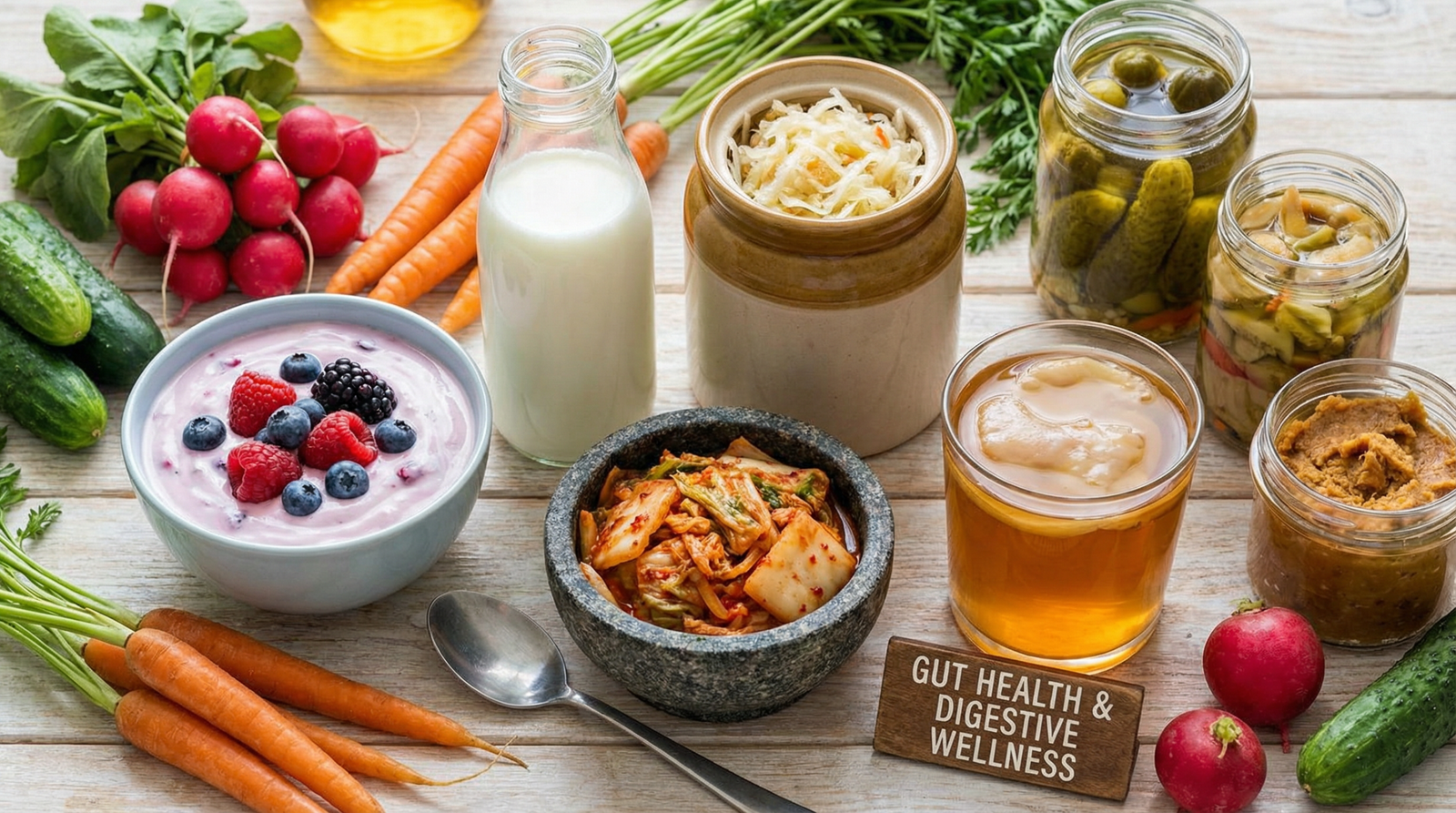
Fermented foods are a natural source of probiotics, which are live beneficial bacteria that can help replenish and diversify your gut microbiome. The process of fermentation involves bacteria and yeast breaking down sugars, creating a variety of beneficial compounds, including probiotics. Incorporating fermented foods into your diet is a delicious way to support your digestive health. Some of the best probiotic-rich foods include yogurt with live and active cultures, kefir (a fermented milk drink), sauerkraut (fermented cabbage), kimchi (a spicy Korean fermented vegetable dish), and kombucha (a fermented tea beverage). When choosing fermented foods, look for products that are unpasteurized, as the pasteurization process can kill the beneficial bacteria.
Prebiotic Foods: Feeding the Good Bacteria
Prebiotics are a type of fiber that specifically feeds the beneficial bacteria in your gut. Think of them as fertilizer for your inner garden. By including prebiotic-rich foods in your diet, you can help your good gut bacteria flourish. This, in turn, helps them produce beneficial compounds like short-chain fatty acids (SCFAs), which have numerous health benefits, including reducing inflammation and strengthening the gut barrier. Some of the best sources of prebiotics include garlic, onions, leeks, asparagus, bananas (especially when they are slightly green), and chicory root. Jerusalem artichokes, dandelion greens, and apples are also excellent sources of prebiotics.
Supplements to Support a Healthy Gut
While a healthy diet is the cornerstone of good gut health, certain supplements can provide additional support, especially if your diet is lacking or if you have specific health concerns.
Probiotic and Prebiotic Supplements
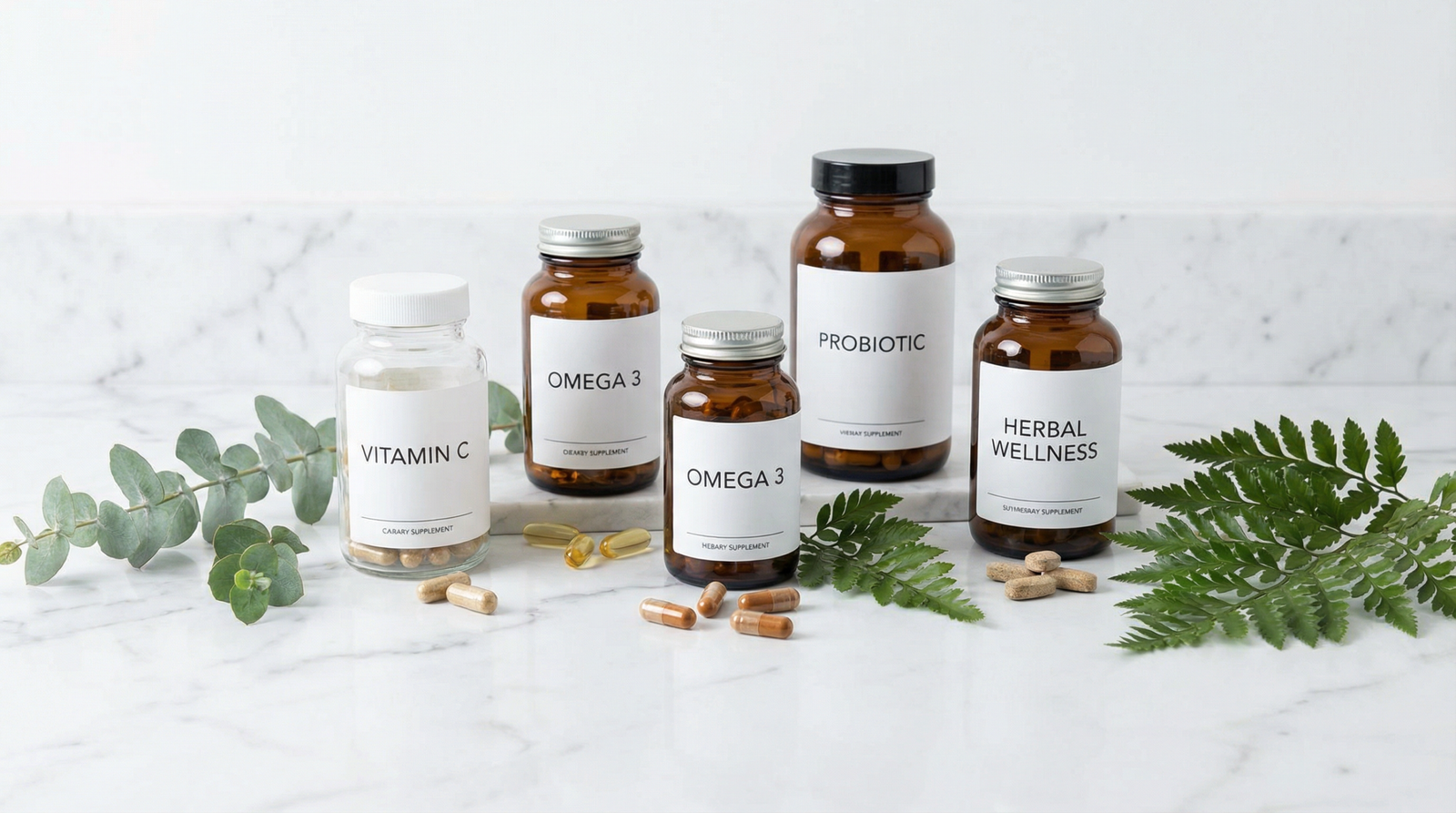
If you find it challenging to get enough probiotics and prebiotics from your diet, supplements can be a convenient option. When choosing a probiotic supplement, look for one with a diverse range of bacterial strains and a high CFU (colony-forming unit) count, typically in the billions. Different strains of bacteria have different benefits, so a multi-strain probiotic is often a good choice. Prebiotic supplements, often containing ingredients like inulin or FOS (fructooligosaccharides), can also help nourish your beneficial gut bacteria. It’s often beneficial to take a synbiotic supplement, which combines both probiotics and prebiotics.
Liv Pure: A Natural Approach to Improve Gut Health
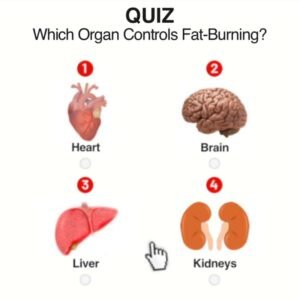
For those looking for a comprehensive supplement to support their gut and overall wellness, Liv Pure offers a natural and effective solution. This unique formula is designed not only to promote a healthy gut but also to support liver function, which is intrinsically linked to digestive health. The liver produces bile, which is essential for the digestion and absorption of fats. A healthy liver ensures that this process runs smoothly, reducing the burden on the gut. By helping to cleanse and detoxify the liver, Liv Pure can contribute to a more balanced and efficient digestive system, making it an excellent addition to your routine to improve gut health.
Learn more about Liv Pure here.
Lifestyle Habits for a Healthier Gut
Beyond diet and supplements, your daily habits also play a significant role in the health of your gut. A holistic approach that includes lifestyle modifications is key to long-term gut health.
Stay Hydrated
Water is essential for good digestion. It helps break down food, absorb nutrients, and prevent constipation. Dehydration can lead to a less diverse gut microbiome and can contribute to digestive problems. Aim to drink at least eight glasses of water per day, and more if you are active or live in a hot climate. Herbal teas and broths can also contribute to your daily fluid intake.
Get Enough Sleep
Lack of sleep can have a negative impact on your gut microbiome. Studies have shown that even short-term sleep deprivation can alter the composition of gut bacteria. Aim for 7-9 hours of quality sleep per night to allow your body, including your gut, to rest and repair. To improve your sleep quality, establish a regular sleep schedule, create a relaxing bedtime routine, and make sure your bedroom is dark, quiet, and cool.
Manage Stress
The gut and brain are connected through the gut-brain axis, which means that stress can directly affect your digestive system. Chronic stress can disrupt the balance of your gut bacteria, increase gut permeability (leaky gut), and contribute to digestive issues like irritable bowel syndrome (IBS). Incorporate stress-management techniques into your daily routine, such as meditation, deep breathing exercises, yoga, or spending time in nature. Even a few minutes of mindfulness each day can make a difference.
Exercise Regularly
Regular physical activity has been shown to have a positive effect on the gut microbiome, promoting greater diversity of beneficial bacteria. Exercise can also help reduce stress and improve sleep, both of which are beneficial for gut health. Aim for at least 30 minutes of moderate-intensity exercise most days of the week. This could include brisk walking, cycling, swimming, or dancing. Even gentle exercises like yoga and tai chi can be beneficial.
A Word of Caution: The Truth About Detox Teas
While it’s tempting to look for a quick fix to improve gut health, it’s important to be wary of products like detox teas. Many of these teas contain laxatives that can be harsh on your digestive system and disrupt the natural balance of your gut microbiome. They can lead to dehydration, electrolyte imbalances, and dependence. Instead of relying on quick fixes, focus on making sustainable lifestyle changes to support your body’s natural detoxification processes. For a deeper dive into this topic, we recommend reading our article on The Truth About Detox Teas.
Conclusion: Your Journey to Better Gut Health
Improving your gut health is a journey, not a destination. It’s about creating a sustainable lifestyle that supports a healthy and diverse microbiome. By making mindful choices about the food you eat, incorporating supportive supplements like Liv Pure when needed, and adopting healthy lifestyle habits, you can cultivate a thriving inner ecosystem. A happy gut leads to a happier, healthier you. Start your journey today by choosing one or two of the tips from this guide to implement, and gradually build from there. Your gut will thank you for it!


news via inbox
Receive the best content from our specialists
[…] Instead of relying on quick fixes like detox teas, a far more effective and sustainable approach is to focus on improving your gut health naturally. A healthy gut not only aids in digestion but also plays a crucial role in your overall well-being, from your immune system to your mental health. Learn more about how to improve gut health here. […]
[…] Your gut is home to a complex ecosystem of bacteria, and maintaining a healthy balance of these microbes is crucial for a strong immune system. Probiotics, the beneficial bacteria found in fermented foods like yogurt, kefir, and sauerkraut, can… […]