How to Lower Blood Pressure Naturally: Proven Methods
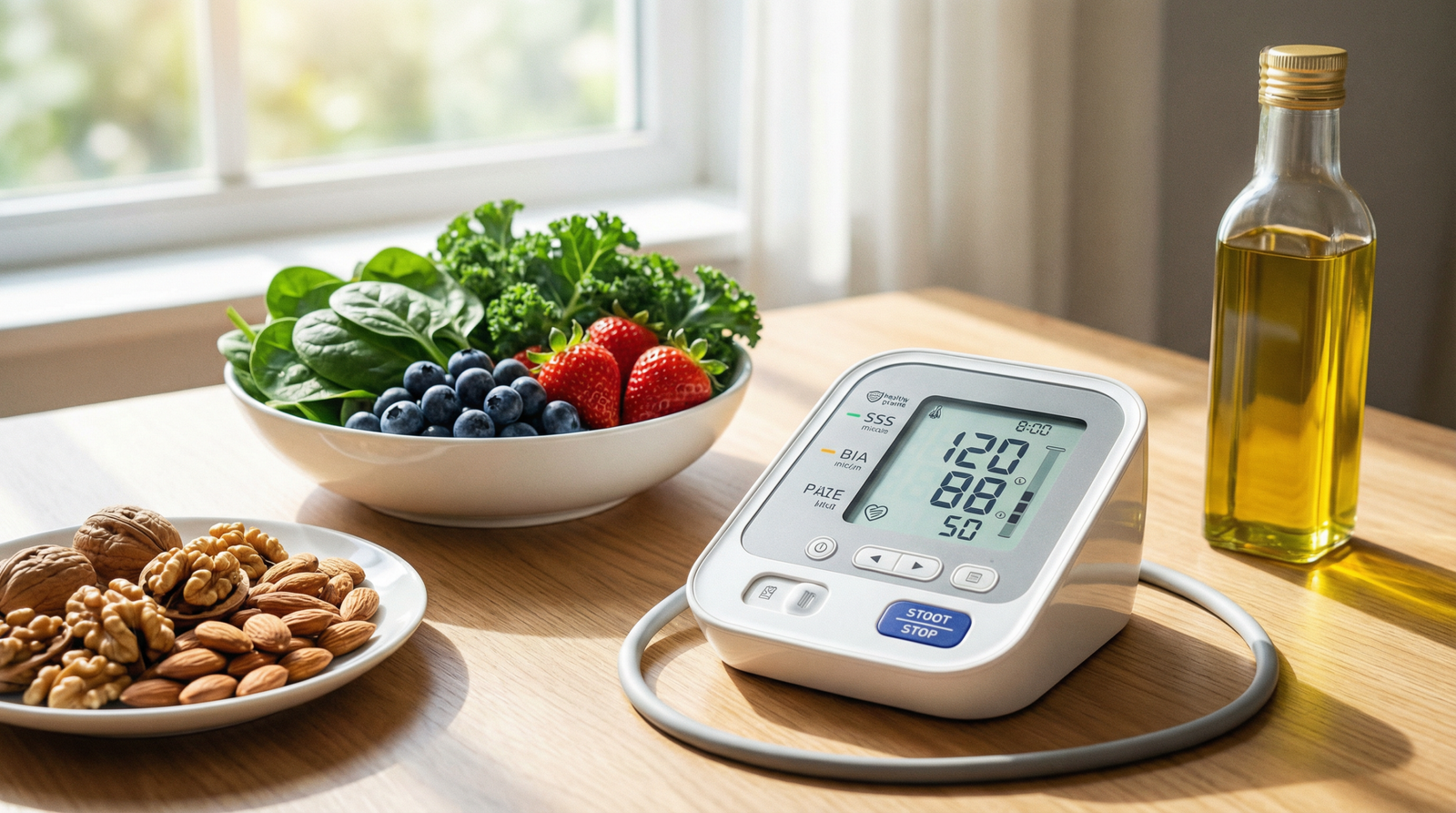
High blood pressure, or hypertension, is a silent killer that affects millions of people worldwide. It often has no symptoms, but it can lead to serious health problems like heart disease, stroke, and kidney failure. While medication is a common treatment, there are many effective ways to lower blood pressure naturally. By making simple changes to your lifestyle and diet, you can take control of your blood pressure and improve your overall health. This comprehensive guide will walk you through proven methods to achieve a healthier heart and a longer life.
Understanding High Blood Pressure
Before we dive into the methods to lower it, let’s briefly touch upon what high blood pressure is. Blood pressure is the force of blood pushing against the walls of your arteries. It’s recorded as two numbers: systolic pressure (the top number), which measures the pressure in your arteries when your heart beats, and diastolic pressure (the bottom number), which measures the pressure in your arteries when your heart rests between beats. A reading of 130/80 mm Hg or higher is considered high blood pressure.
Several factors can contribute to high blood pressure, including genetics, age, and lifestyle choices. While some factors are beyond our control, many of the lifestyle-related causes can be managed, which is where natural methods to lower blood pressure come into play.
Dietary Changes to Lower Blood pressure Naturally
One of the most effective ways to lower blood pressure naturally is through your diet. What you eat can have a direct impact on your cardiovascular health. Here are some key dietary changes you can make:
Embrace the DASH Diet
The Dietary Approaches to Stop Hypertension (DASH) diet is specifically designed to help manage blood pressure. It emphasizes foods that are rich in potassium, calcium, and magnesium, and limits foods that are high in sodium, saturated fat, and added sugars. The DASH diet is a flexible and balanced eating plan that is proven to help lower blood pressure. It is rich in fruits, vegetables, whole grains, and low-fat dairy foods. It also includes meat, fish, poultry, nuts, and beans, and is low in saturated fat, cholesterol, and total fat. Here’s a closer look at the key components and recommended servings:
- Grains (7-8 daily servings): Focus on whole grains like whole-wheat bread, brown rice, quinoa, and oatmeal. A serving is one slice of bread, 1 ounce of dry cereal, or 1/2 cup of cooked rice, pasta, or cereal.
- Vegetables (4-5 daily servings): Tomatoes, carrots, broccoli, sweet potatoes, greens, and other vegetables are full of fiber, vitamins, and minerals such as potassium and magnesium. A serving is 1 cup of raw leafy vegetables, 1/2 cup of cut-up raw or cooked vegetables, or 1/2 cup of vegetable juice.
- Fruits (4-5 daily servings): Like vegetables, they are packed with fiber, potassium, and magnesium and are typically low in fat. A serving is one medium fruit, 1/4 cup of dried fruit, 1/2 cup of fresh, frozen, or canned fruit, or 1/2 cup of fruit juice.
- Fat-Free or Low-Fat Dairy Products (2-3 daily servings): Milk, yogurt, cheese, and other dairy products are major sources of calcium, vitamin D, and protein. A serving is 1 cup of milk or yogurt, or 1.5 ounces of cheese.
- Lean Meats, Poultry, and Fish (2 or fewer daily servings): These are rich sources of protein and magnesium. A serving is 1 ounce of cooked meats, poultry, or fish, or one egg.
- Nuts, Seeds, and Legumes (4-5 weekly servings): Almonds, sunflower seeds, kidney beans, peas, lentils, and other foods in this family are rich in magnesium, potassium, and protein. A serving is 1/3 cup of nuts, 2 tablespoons of peanut butter, 2 tablespoons of seeds, or 1/2 cup of cooked legumes.
- Fats and Oils (2-3 daily servings): The DASH diet limits fats to 27% of daily calories, with a focus on healthier monounsaturated fats. A serving is 1 teaspoon of soft margarine, 1 tablespoon of low-fat mayonnaise, or 1 teaspoon of vegetable oil.
- Sweets and Added Sugars (5 or fewer weekly servings): You don’t have to banish sweets entirely while following the DASH diet—just go easy on them. A serving is 1 tablespoon of sugar, jelly, or jam, 1/2 cup of sorbet, or 1 cup of lemonade.
Reduce Your Sodium Intake
Excess sodium can cause your body to retain fluid, which increases blood pressure. The American Heart Association recommends no more than 2,300 milligrams (mg) of sodium a day, with an ideal limit of no more than 1,500 mg per day for most adults. To reduce your sodium intake:
- Read food labels and choose low-sodium options.
- Avoid processed foods, which are often high in sodium.
- Cook at home more often so you can control the amount of salt in your meals.
- Use herbs and spices to flavor your food instead of salt.
Boost Your Potassium Intake
Potassium helps to lessen the effects of sodium on blood pressure. The recommended daily intake of potassium for an average adult is 4,700 mg. Foods that are rich in potassium include:
- Bananas
- Avocados
- Spinach
- Sweet potatoes
- Tomatoes
Lifestyle Changes for a Healthier Heart
In addition to dietary adjustments, certain lifestyle modifications can significantly contribute to lowering your blood pressure. Here are some of the most impactful changes you can make:
Get Regular Exercise
Physical activity is a cornerstone of a heart-healthy lifestyle. Regular exercise makes your heart stronger, which means it can pump more blood with less effort. This, in turn, decreases the force on your arteries, lowering your blood pressure. Aim for at least 150 minutes of moderate-intensity aerobic exercise, such as brisk walking or cycling, or 75 minutes of vigorous-intensity exercise, like running or swimming, each week. Even small amounts of physical activity can make a difference, so start with what you can manage and gradually increase the intensity and duration of your workouts.
Maintain a Healthy Weight
Being overweight or obese increases your risk of developing high blood pressure. Losing even a small amount of weight can have a significant impact on your blood pressure. For every 2.2 pounds (1 kilogram) you lose, you can expect your blood pressure to drop by about 1 mm Hg. Focus on a balanced diet and regular exercise to achieve and maintain a healthy weight.
Limit Alcohol and Quit Smoking
Drinking too much alcohol can raise your blood pressure to unhealthy levels. If you choose to drink, do so in moderation. For healthy adults, that means up to one drink a day for women and up to two drinks a day for men. Smoking is another major risk factor for high blood pressure and heart disease. Quitting smoking is one of the best things you can do for your cardiovascular health.
Manage Stress
Chronic stress can contribute to high blood pressure. While it’s impossible to eliminate all stress from your life, you can learn to manage it in healthier ways. Techniques such as meditation, deep breathing exercises, yoga, and spending time in nature can all help to reduce stress levels. Prioritizing self-care and making time for activities you enjoy can also make a big difference.
Supplements to Support Healthy Blood Pressure and Sugar
While lifestyle changes are the foundation of managing blood pressure, certain supplements may also be beneficial. It’s important to talk to your doctor before starting any new supplement, as they can interact with medications and may not be suitable for everyone. Some supplements that have been studied for their potential to lower blood pressure include:
- Magnesium: This mineral helps to relax blood vessels.
- Potassium: As mentioned earlier, potassium can help to counteract the effects of sodium.
- Coenzyme Q10: This antioxidant may help to improve heart health.
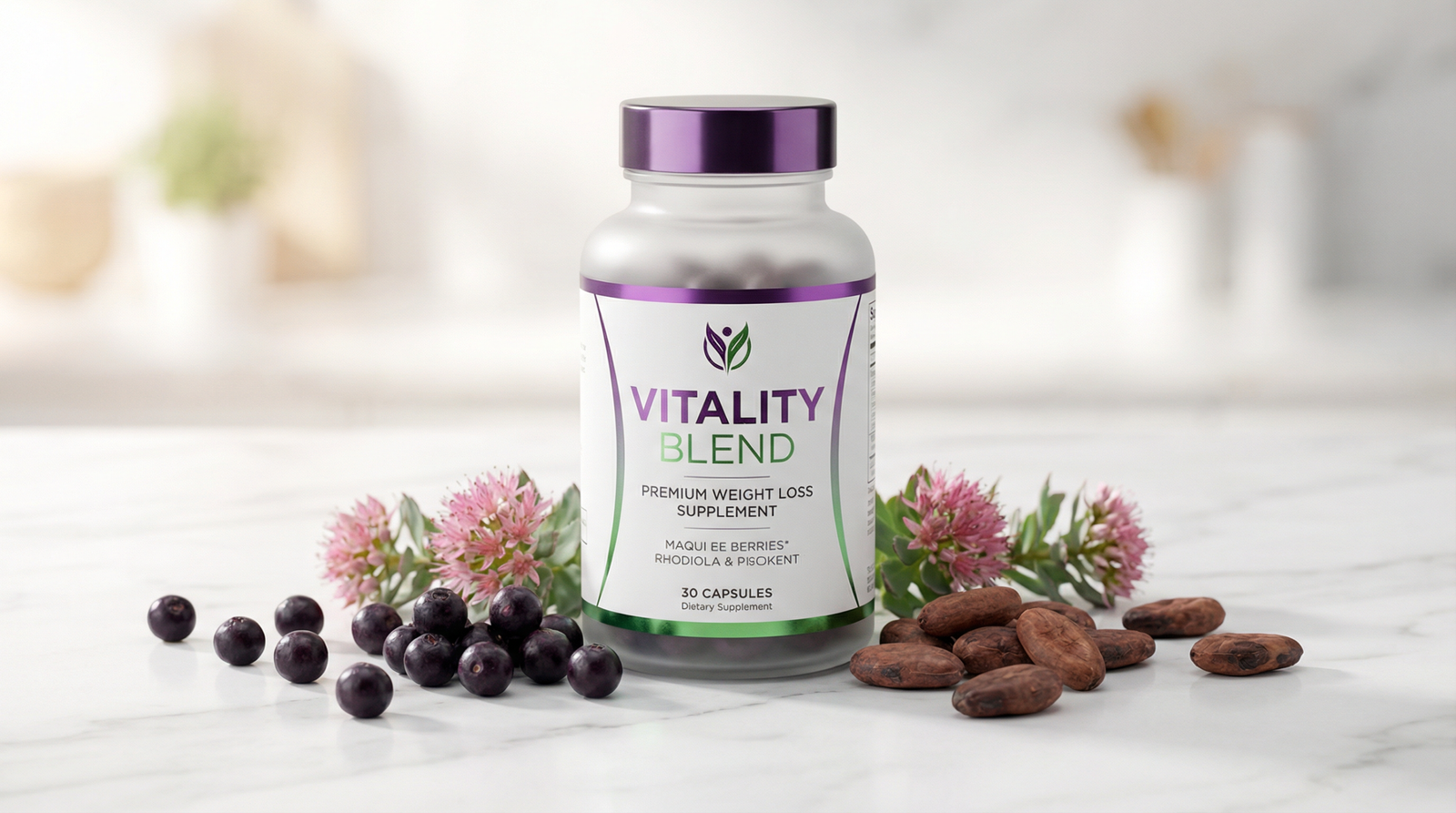
For those looking for a comprehensive supplement to support healthy blood pressure, Gluco6 is a popular option. It contains a blend of natural ingredients that have been shown to support cardiovascular health.
To learn more about supplements that can benefit your overall well-being, check out our article on the Best Supplements for Men’s Health.
Conclusion: Take Control of Your Heart Health
Lowering your blood pressure naturally is not only possible, but it can also lead to a healthier and more vibrant life. By making sustainable changes to your diet, incorporating regular exercise into your routine, managing stress, and making other positive lifestyle choices, you can significantly reduce your blood pressure and lower your risk of heart disease and stroke. Remember that consistency is key, and every small step you take makes a difference.
If you’re ready to take the next step in supporting your cardiovascular health, consider trying a supplement like Gluco6. Combined with the natural methods outlined in this guide, it can provide an extra layer of support for your heart.
Don’t wait for a health scare to take action. Start your journey to a healthier heart today. Your body will thank you for it.


news via inbox
Receive the best content from our specialists
[…] Welcome to the ultimate guide to creating delicious and energizing breakfast smoothie bowls! If you’re looking for a healthy and satisfying way to start your day, you’ve come to the right place. Smoothie bowls are a fantastic way to pack a ton of nutrients into your morning meal, and they’re incredibly versatile. In this article, we’ll share five of our favorite smoothie bowl recipes, each designed to give you a sustained energy boost to power through your day. […]
[…] Inflammation is your body’s natural defense mechanism. When you get a cut, your immune system sends out an army of white blood cells to the site of the injury, resulting in the familiar signs of redness, swelling, and pain. This is acute inflammation, and it’s a good thing. It means your body is working to repair itself. However, when the inflammatory response doesn’t shut off, it can lead to chronic inflammation. This low-grade, systemic inflammation can persist for months or even years, silently wreaking havoc on your body. It’s been linked to a wide range of chronic diseases, including heart disease, type 2 diabetes… […]
[…] green tea consumption can lead to a reduction in body fat, particularly in the abdominal area. While green tea isn’t a magic bullet for weight loss, incorporating it into a healthy diet and active lifestyle can provide a valuable edge in achieving […]