
How to Reduce Inflammation Naturally: 15 Proven Methods
Inflammation is your body’s natural defense system, a biological fire alarm that signals an immune response to injury or infection. While this acute inflammation is a vital part of healing, a problem arises when the inflammatory process doesn’t shut off. Chronic inflammation, a smoldering, low-level fire within the body, has been linked to a host of modern health concerns, from heart disease and diabetes to arthritis and cognitive decline. But what if you could become your own firefighter? What if you held the power to dial down that internal thermostat and restore balance? The good news is, you do. By making targeted changes to your diet, lifestyle, and daily habits, you can effectively reduce inflammation naturally and pave the way for a healthier, more vibrant life. This comprehensive guide will walk you through 15 proven methods to do just that, empowering you with the knowledge and tools to take control of your well-being.
The Anti-Inflammatory Diet: Your First Line of Defense
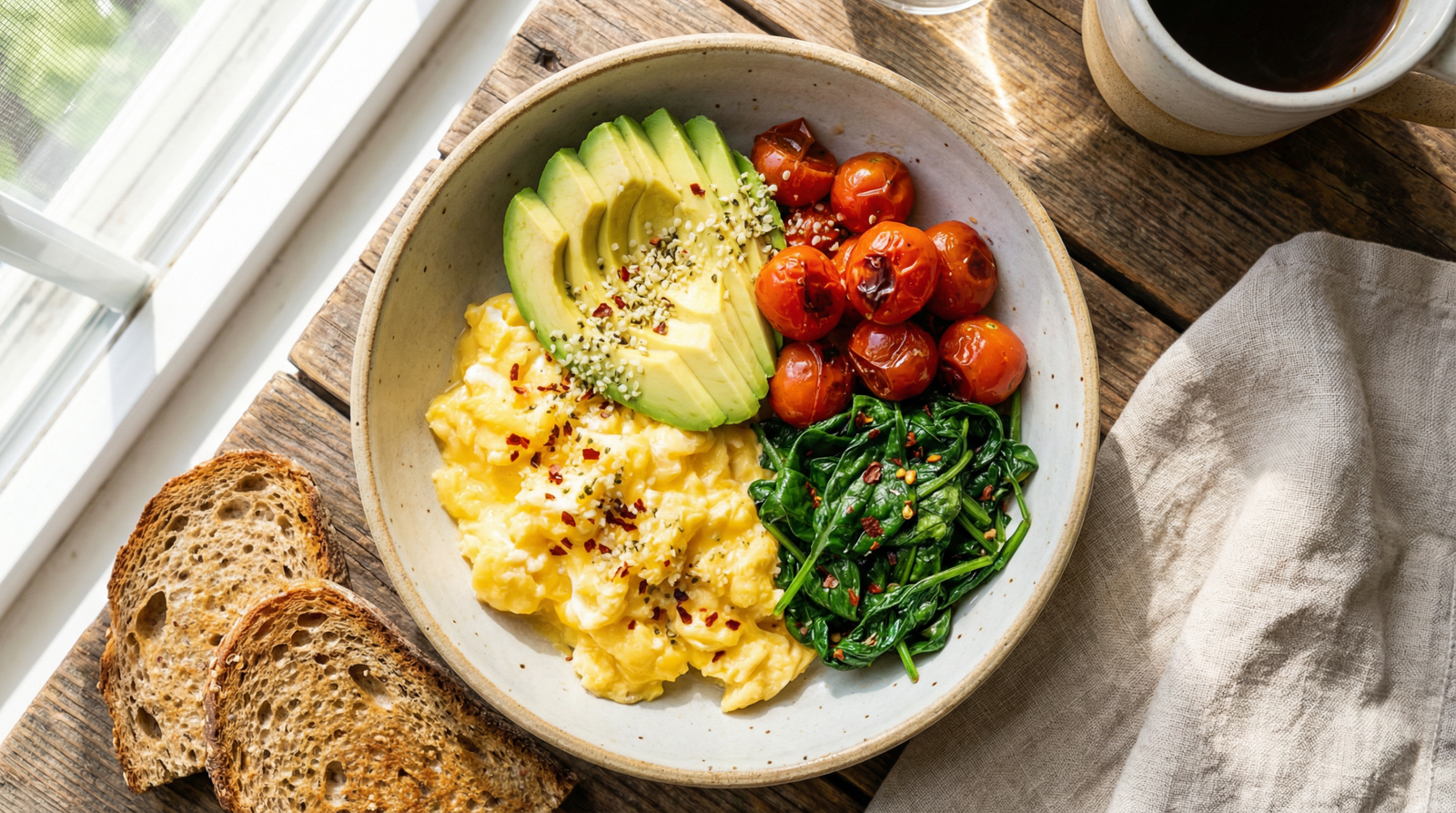
The food you eat can either fuel or fight inflammation. Adopting an anti-inflammatory diet is one of the most powerful steps you can take to reduce inflammation naturally. This means focusing on whole, unprocessed foods packed with nutrients and antioxidants, while minimizing or avoiding those that trigger an inflammatory response. For more on this, see. A good way to structure your plate is to fill half of it with colorful vegetables, a quarter with lean protein, and a quarter with whole grains or healthy fats. This ensures a balanced intake of essential nutrients that help combat inflammation.
Foods to Embrace
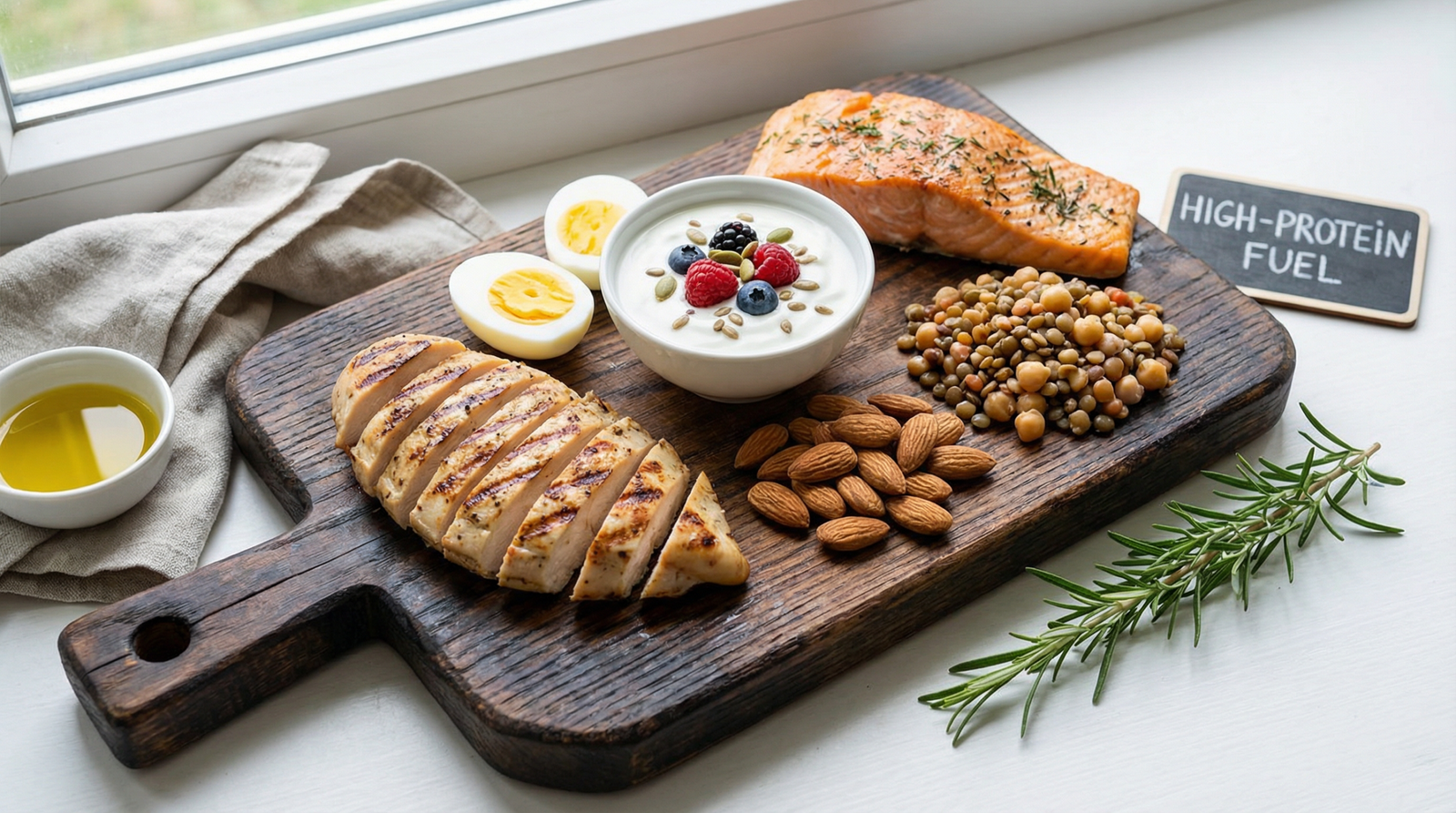
- Fatty Fish: Salmon, mackerel, tuna, and sardines are rich in omega-3 fatty acids, which have potent anti-inflammatory properties.
- Leafy Greens: Spinach, kale, and collards are packed with antioxidants and vitamins that combat inflammation.
- Berries and Cherries: These fruits are loaded with anthocyanins, compounds that have been shown to reduce inflammation.
- Nuts and Seeds: Almonds, walnuts, and flaxseeds are excellent sources of healthy fats, fiber, and antioxidants.
- Olive Oil: Extra virgin olive oil contains oleocanthal, a compound with anti-inflammatory effects similar to ibuprofen.
- Tomatoes: A great source of lycopene, an antioxidant with powerful anti-inflammatory properties. They are also rich in vitamin C and potassium.
- Broccoli: This cruciferous vegetable is a powerhouse of sulforaphane, an antioxidant with potent anti-inflammatory effects.
- Avocados: Packed with monounsaturated fats, potassium, magnesium, and fiber, avocados are a fantastic anti-inflammatory food.
- Green Tea: Rich in polyphenols, particularly epigallocatechin-3-gallate (EGCG), green tea has impressive anti-inflammatory and antioxidant properties.
- Turmeric and Ginger: These spices have long been used in traditional medicine for their anti-inflammatory benefits. Consider adding them to your meals or trying a supplement like
Foods to Avoid
- Refined Carbohydrates: White bread, pastries, and sugary cereals can spike blood sugar and promote inflammation.
- Fried Foods: French fries and other fried foods are high in unhealthy fats that can trigger an inflammatory response.
- Sugary Drinks: Sodas and other sugar-sweetened beverages are a major source of inflammation-promoting sugar.
- Processed Meats: Hot dogs, sausage, and other processed meats are high in saturated fat and advanced glycation end products (AGEs), which are highly inflammatory.
- Trans Fats: Found in margarine, shortening, and many processed foods, trans fats are a major contributor to inflammation.
Harnessing the Power of Anti-Inflammatory Supplements
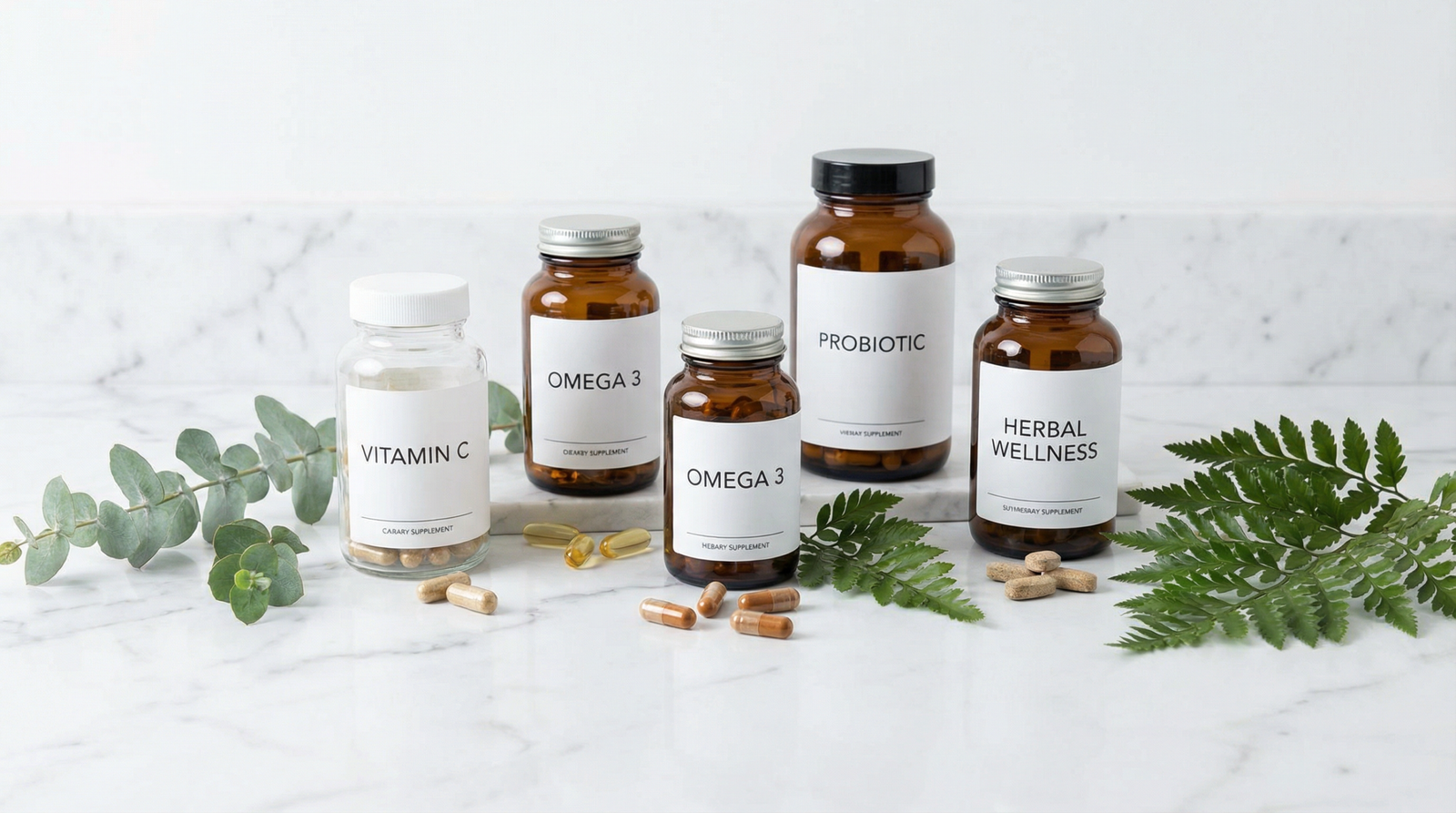
While a healthy diet should always be your foundation, certain supplements can provide an extra boost in your fight against inflammation. Before starting any new supplement, it’s always a good idea to consult with your healthcare provider. For more information on supplements, check out.
Top Anti-Inflammatory Supplements
- Curcumin: The active compound in turmeric, curcumin is a powerful anti-inflammatory. It works by blocking inflammatory cytokines and enzymes. When choosing a supplement, look for one that contains piperine (from black pepper) to significantly enhance its absorption and bioavailability.
- Fish Oil: If you don’t regularly consume fatty fish, a high-quality fish oil supplement is an excellent way to get your daily dose of omega-3 fatty acids, specifically EPA and DHA. These fatty acids are incorporated into cell membranes and play a crucial role in resolving inflammation.
- Ginger: Ginger contains bioactive compounds like gingerol and zingerone, which have potent anti-inflammatory and antioxidant effects. Ginger supplements can be particularly effective in reducing muscle pain and soreness after exercise, as well as alleviating symptoms of osteoarthritis.
- Resveratrol: This plant compound, found in grapes, berries, and peanuts, acts as a powerful antioxidant. It has been shown to inhibit multiple inflammatory pathways and may offer protective benefits for the brain and cardiovascular system.
- Vitamin D: Often called the ‘sunshine vitamin,’ Vitamin D is a crucial modulator of the immune system. Many people have insufficient levels, which is linked to increased inflammation and a higher risk of autoimmune diseases. A simple blood test can determine if you need supplementation.
Lifestyle Changes for Lasting Relief
Beyond diet and supplements, your lifestyle choices play a significant role in managing inflammation. By incorporating these habits into your daily routine, you can create a powerful anti-inflammatory effect that lasts.
Prioritize Quality Sleep
Sleep is when your body repairs and restores itself. A lack of quality sleep can lead to increased inflammation. Aim for 7-9 hours of uninterrupted sleep per night. Create a relaxing bedtime routine, avoid screens before bed, and make sure your bedroom is dark, quiet, and cool.
Manage Stress Effectively
Chronic stress is a major driver of inflammation. Find healthy ways to manage stress, such as meditation, deep breathing exercises, yoga, or spending time in nature. Even a few minutes of mindfulness each day can make a big difference. Other effective stress-reduction techniques include journaling, spending time with loved ones, and engaging in hobbies that bring you joy. The key is to find what works for you and make it a regular practice.
Embrace Regular Movement
Regular physical activity is a powerful anti-inflammatory. Aim for at least 30 minutes of moderate-intensity exercise most days of the week. This could include brisk walking, cycling, swimming, or dancing. Find an activity you enjoy to make it a sustainable habit. It’s also beneficial to incorporate some form of strength training into your routine at least twice a week. Building muscle mass can help improve your body’s metabolic health and further reduce inflammation. Remember to listen to your body and choose activities that are appropriate for your fitness level. For more on this, see.
Frequently Asked Questions (FAQ)
What is the fastest way to reduce inflammation in the body?
While there’s no single “fastest” way, a combination of dietary and lifestyle changes can bring about noticeable improvements relatively quickly. Focusing on an anti-inflammatory diet, rich in fruits, vegetables, and omega-3s, while eliminating processed foods and sugar, can have a significant impact within a few weeks. Combining this with regular exercise and quality sleep will accelerate the process.
What are the signs of inflammation?
Signs of acute inflammation are typically obvious and include redness, heat, swelling, pain, and loss of function. Chronic inflammation, however, is often more subtle. Symptoms can include fatigue, body aches, digestive issues, skin problems like eczema or psoriasis, and frequent infections.
Can drinking water help reduce inflammation?
Yes, staying well-hydrated is crucial for flushing out toxins and reducing inflammation. Water helps to keep your joints lubricated and can aid in the prevention of inflammatory conditions like gout. Aim to drink at least eight glasses of water per day, and more if you are active or live in a hot climate.
Conclusion
Reducing inflammation naturally is not about a quick fix, but rather a commitment to a healthier lifestyle. By incorporating the 15 proven methods outlined in this guide, you can take a proactive approach to managing inflammation and reducing your risk of chronic disease. Start with small, manageable changes, and build upon them over time. Your body will thank you for it.


news via inbox
Receive the best content from our specialists