
Natural Energy Boosters: Ditch the Coffee Dependency
That familiar morning ritual: the aroma of freshly brewed coffee, the promise of a much-needed jolt to kickstart your day. For many of us, caffeine is the undisputed king of our energy-boosting arsenal. But what if you could achieve sustained, vibrant energy without the jitters, crashes, and dependency that often come with your daily cup of joe? What if you could tap into your body’s own natural energy reserves? This article will explore a world of powerful, natural energy boosters that can help you ditch the coffee dependency and embrace a more balanced and revitalized you.
Beyond the Bean: Powerful Alternatives to Caffeine
While caffeine can be a useful tool for a quick pick-me-up, relying on it too heavily can lead to a cycle of energy spikes and crashes, disrupted sleep, and even increased anxiety. If you’re looking to reduce your caffeine intake or find healthier alternatives, you’re in luck. Nature has provided us with a variety of delicious and energizing options:
- Herbal Teas: Many herbal teas offer a gentle and sustained energy boost without the caffeine. Peppermint tea, for example, has been shown to improve alertness and reduce fatigue. The invigorating aroma of peppermint can also have a positive effect on your mood and cognitive function. Ginger tea, another excellent choice, can improve circulation and increase energy levels by enhancing blood flow throughout the body. It also has anti-inflammatory properties that can help combat fatigue.
- Matcha: A finely ground powder of specially grown and processed green tea leaves, matcha contains a unique combination of caffeine and L-theanine, an amino acid that promotes a state of calm alertness. This synergistic duo provides a sustained energy boost without the jitters or crash often associated with coffee. L-theanine also helps to improve focus and concentration, making matcha an excellent choice for a productive afternoon.
- Chicory Root: Roasted chicory root has a rich, coffee-like flavor but is naturally caffeine-free. It’s a great alternative for those who enjoy the ritual of a warm, dark beverage in the morning. Chicory root is also a good source of inulin, a prebiotic fiber that can support gut health.
- Yerba Mate: A traditional South American drink, yerba mate is known for its powerful energizing effects. It contains a moderate amount of caffeine, as well as a wealth of antioxidants, vitamins, and minerals. Many people find that yerba mate provides a more balanced and sustained energy boost than coffee, without the negative side effects.
- Kombucha: This fermented tea beverage is packed with probiotics, which can support gut health and improve digestion. A healthy gut is essential for optimal energy production, as it allows your body to absorb nutrients more effectively. Kombucha also contains a small amount of caffeine and B vitamins, which can provide a gentle energy lift.
The B Vitamin Powerhouse: Fueling Your Body’s Engine
B vitamins are the unsung heroes of energy production. They play a crucial role in converting the food you eat into usable energy, supporting everything from brain function to red blood cell formation. A deficiency in any of the B vitamins can lead to fatigue and low energy levels. Let’s take a closer look at this vital group of nutrients:
| B Vitamin | Function | Food Sources |
|---|---|---|
| Thiamin (B1) | Helps convert carbohydrates into energy. | Whole grains, pork, fish, beans, and sunflower seeds. |
| Riboflavin (B2) | Essential for energy production and red blood cell formation. | Dairy products, eggs, lean meats, and green leafy vegetables. |
| Niacin (B3) | Plays a key role in converting food into energy. | Poultry, fish, beef, whole grains, and peanuts. |
| Pantothenic Acid (B5) | Helps break down fats and carbohydrates for energy. | Avocado, yogurt, chicken, and sweet potatoes. |
| Vitamin B6 | Involved in over 100 enzyme reactions, including energy metabolism. | Chickpeas, tuna, salmon, potatoes, and bananas. |
| Biotin (B7) | Helps convert macronutrients into energy. | Eggs, almonds, cauliflower, and sweet potatoes. |
| Folate (B9) | Crucial for cell growth and division. | Leafy greens, asparagus, Brussels sprouts, and legumes. |
| Vitamin B12 | Essential for red blood cell formation and neurological function. | Found almost exclusively in animal products, such as meat, fish, poultry, eggs, and dairy. |
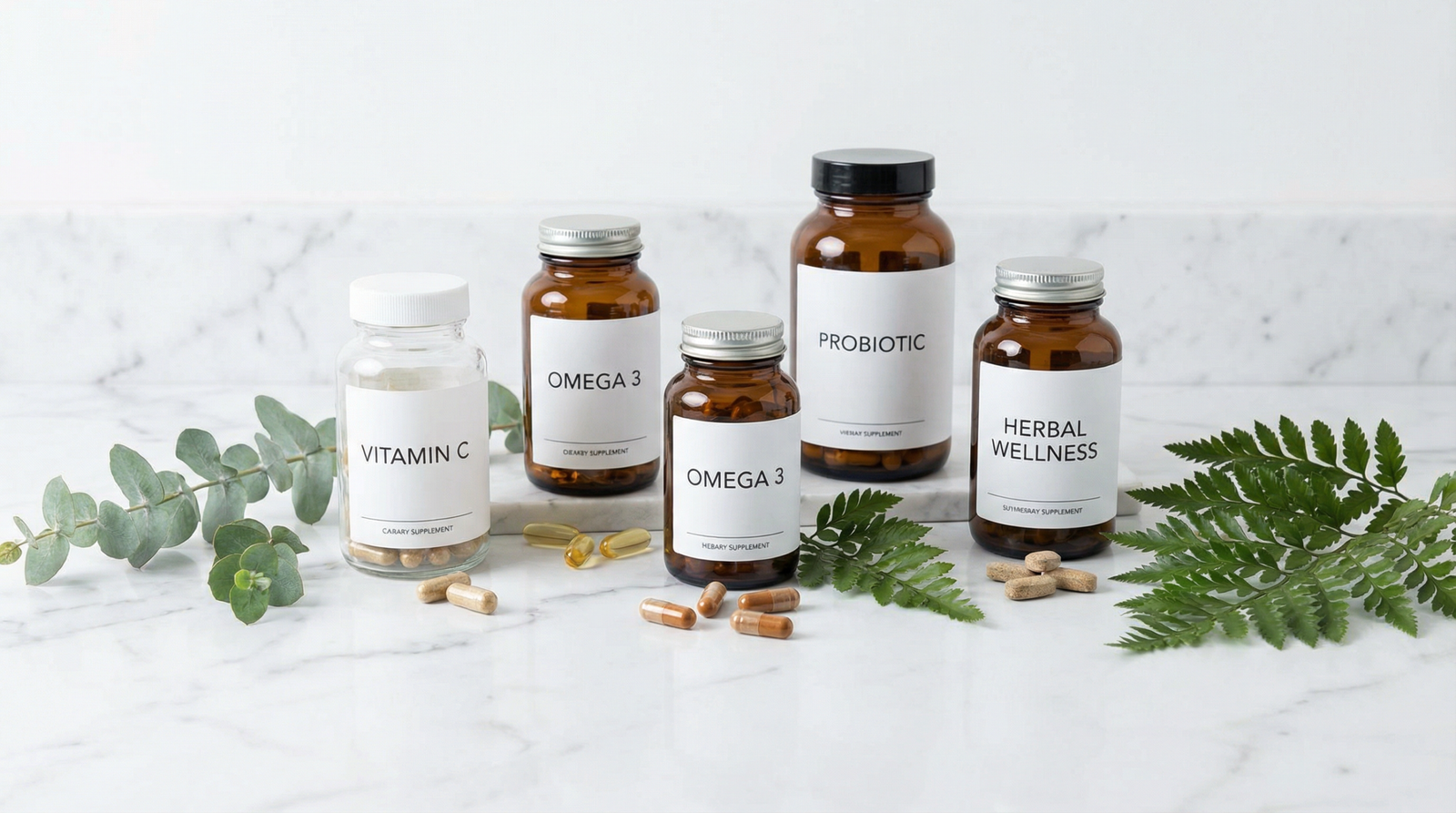
To ensure you’re getting enough B vitamins, incorporate a variety of whole foods into your diet. If you’re concerned about a deficiency, a high-quality B-complex supplement can be a great option.
Are You Running on Empty? The Critical Role of Iron
If you’re constantly feeling tired, no matter how much you sleep, you might be dealing with an iron deficiency. Iron is a vital mineral that helps transport oxygen throughout your body. When your iron levels are low, your cells don’t get the oxygen they need to function properly, leading to fatigue, weakness, and shortness of breath.
Symptoms of low iron can include:
- Persistent fatigue
- Pale skin
- Shortness of breath
- Dizziness
- Cold hands and feet
- Brittle nails
- Headaches
To boost your iron levels, focus on incorporating iron-rich foods into your diet. There are two types of dietary iron: heme iron, which is found in animal products and is easily absorbed by the body, and non-heme iron, which is found in plant-based foods. To enhance the absorption of non-heme iron, it’s helpful to consume it with a source of vitamin C, such as citrus fruits, strawberries, or bell peppers. Good sources of iron include:
- Heme Iron: Red meat, poultry, fish, and shellfish.
- Non-Heme Iron: Lentils, beans, tofu, spinach, kale, quinoa, and fortified cereals.
Adaptogens: Your Secret Weapon Against Fatigue
Adaptogens are a unique class of herbs and mushrooms that help your body adapt to stress and fight off fatigue. They work by supporting your adrenal glands and balancing your body’s stress response system, also known as the hypothalamic-pituitary-adrenal (HPA) axis. The HPA axis is responsible for regulating your body’s response to stress, and when it’s out of balance, it can lead to fatigue and other health problems. By helping your body better cope with stress, adaptogens can improve your energy levels, enhance your mental clarity, and promote a sense of overall well-being.
Some of the most popular adaptogens for energy include:
- Ashwagandha: This ancient herb has been used for centuries in Ayurvedic medicine to reduce stress, improve energy levels, and enhance focus. It’s known for its calming yet energizing effects.
- Rhodiola: Known for its ability to fight fatigue and improve mental and physical performance, rhodiola is a great choice for those who need an extra boost. It’s particularly helpful for combating stress-related fatigue.
- Ginseng: A well-known adaptogen, ginseng has been shown to reduce fatigue and improve energy levels. There are several types of ginseng, with Panax ginseng being the most studied for its energizing effects.
- Maca: This root vegetable from the Andes is known for its ability to boost energy, stamina, and libido. It’s also a good source of vitamins and minerals.
Lifestyle Habits for Lasting Energy
In addition to incorporating these natural energy boosters into your diet, there are several lifestyle habits you can adopt to cultivate lasting energy:
- Exercise: Regular physical activity is one of the most effective ways to boost your energy levels. It improves circulation, increases oxygen flow to your cells, and releases endorphins, which have mood-boosting effects. Aim for at least 30 minutes of moderate-intensity exercise most days of the week. This could include brisk walking, jogging, cycling, or swimming.
- Sleep Hygiene: Prioritizing sleep is essential for maintaining optimal energy levels. Aim for 7-9 hours of quality sleep per night, and establish a regular sleep schedule. To improve your sleep hygiene, create a relaxing bedtime routine, such as taking a warm bath, reading a book, or practicing relaxation techniques. Avoid caffeine and alcohol before bed, and make sure your bedroom is dark, quiet, and cool.
- Hydration: Even mild dehydration can cause fatigue and low energy. Make sure to drink plenty of water throughout the day. A good rule of thumb is to drink half your body weight in ounces of water per day.
- Stress Management: Chronic stress can drain your energy reserves. Incorporate stress-reducing practices into your daily routine, such as meditation, yoga, deep breathing exercises, or spending time in nature. Even a few minutes of mindfulness each day can make a big difference.
Frequently Asked Questions (FAQ)
What is the quickest way to boost energy naturally?
For a quick and natural energy boost, try a short burst of exercise, like a brisk walk or some jumping jacks. Drinking a large glass of water can also help, as dehydration is a common cause of fatigue. Another option is to have a small, healthy snack that contains a mix of protein, healthy fats, and complex carbohydrates, such as an apple with almond butter.
Can I get all the necessary nutrients for energy from my diet alone?
A well-balanced diet rich in whole foods can provide most of the nutrients you need for optimal energy. However, some people may benefit from supplementation, especially for nutrients like vitamin B12 and iron, which can be more difficult to obtain from a plant-based diet. It’s always a good idea to consult with a healthcare professional before starting any new supplements.
How long does it take for natural energy boosters to work?
The time it takes to feel the effects of natural energy boosters can vary depending on the individual and the specific booster. Some, like exercise and hydration, can provide an immediate boost, while others, like adaptogens and dietary changes, may take a few weeks to have a noticeable effect. Consistency is key, so be patient and stick with your new habits.
Are there any side effects to be aware of with natural energy boosters?
While natural energy boosters are generally safe for most people, it’s always a good idea to be aware of potential side effects. For example, some people may experience digestive upset when first introducing new foods or supplements. It’s also important to be mindful of the quality of your supplements and to purchase them from a reputable source. If you have any underlying health conditions or are taking any medications, it’s best to consult with a healthcare professional before trying any new natural energy boosters.
Conclusion
By embracing these natural energy boosters and adopting healthy lifestyle habits, you can cultivate a vibrant and sustainable source of energy that will carry you through your day, no coffee required. It’s time to say goodbye to the jitters and crashes and hello to a more energized and revitalized you. Start by making small, sustainable changes, and you’ll be well on your way to a more energetic and vibrant life.


news via inbox
Receive the best content from our specialists